Trusted nurseries, smarter plant choices, and the habitat knowledge behind successful cultivation
Get the free 62-page guide to choosing healthy, responsibly grown carnivorous plants — whether you’re buying your first Venus flytrap or looking for trusted specialist nurseries, ethical sources, unusual plants, and deeper insight into where these species come from.
Start with trusted sources and a clearer way to grow.
Includes the Nursery Guide and the Explorer’s Notebook — occasional field notes, growing insights, and new resources. Unsubscribe anytime.
New to carnivorous plants?
Start with the right plant, from the right source, for the conditions you can actually provide.
Inside the guide, you’ll learn:
where to buy healthy, responsibly grown plants
which species and hybrids are best to start with
why tap water, low light, normal compost, and poor sourcing cause so many failures
how to match your plant to a windowsill, grow-light shelf, greenhouse, terrarium, or outdoor bog garden
what to do when your plant first arrives
Already growing them?
Use the guide as a curated reference for trusted nurseries, ethical sourcing, and deeper cultivation context.
Inside the guide, you’ll find:
a global list of specialist carnivorous plant nurseries
notes on sourcing, propagation, and avoiding wild-collected plants
access points for unusual genera, hybrids, and specialist growers
a behind-the-scenes look at Borneo Exotics and modern micropropagation
a broader habitat-based perspective that reconnects cultivation with wild origins
Beginner-friendly does not mean basic
Clear enough for your first plant. Serious enough for your tenth year of growing.
Built from cultivation, field observation, and nursery-world experience
Created by James Haig Streeter, founder of the Carnivorous Plant Hunter, this guide brings together practical growing advice, firsthand field perspective, and insight from the specialist nursery world — including a rare behind-the-scenes feature on the largest Nepenthes nursery.
Includes the Nursery Guide and the Explorer’s Notebook — occasional field notes, growing insights, and new resources. Unsubscribe anytime.
What’s inside the guide?
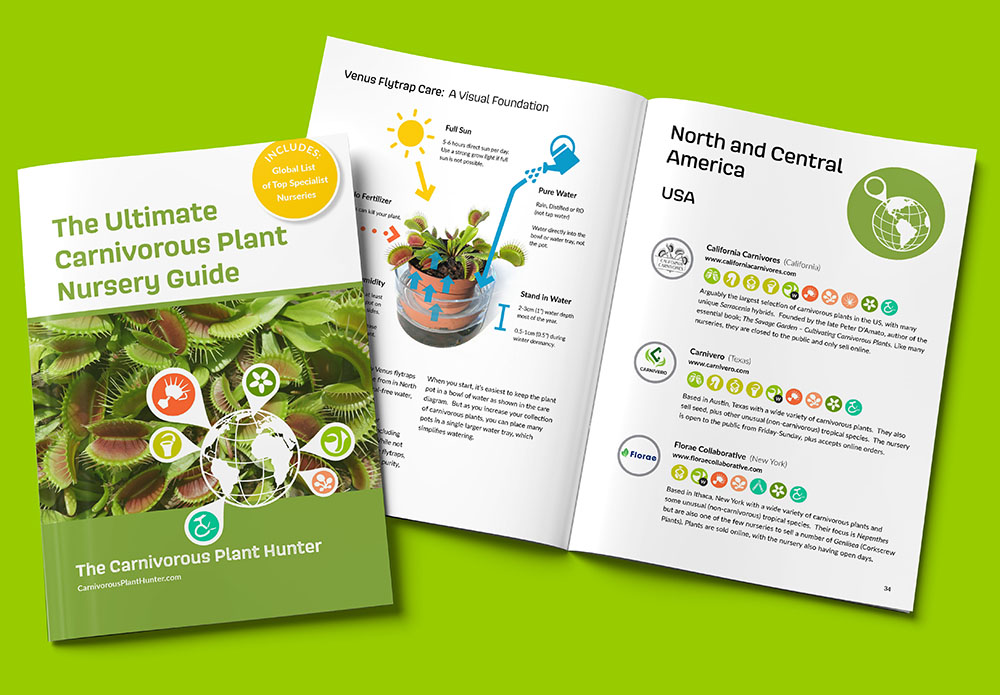
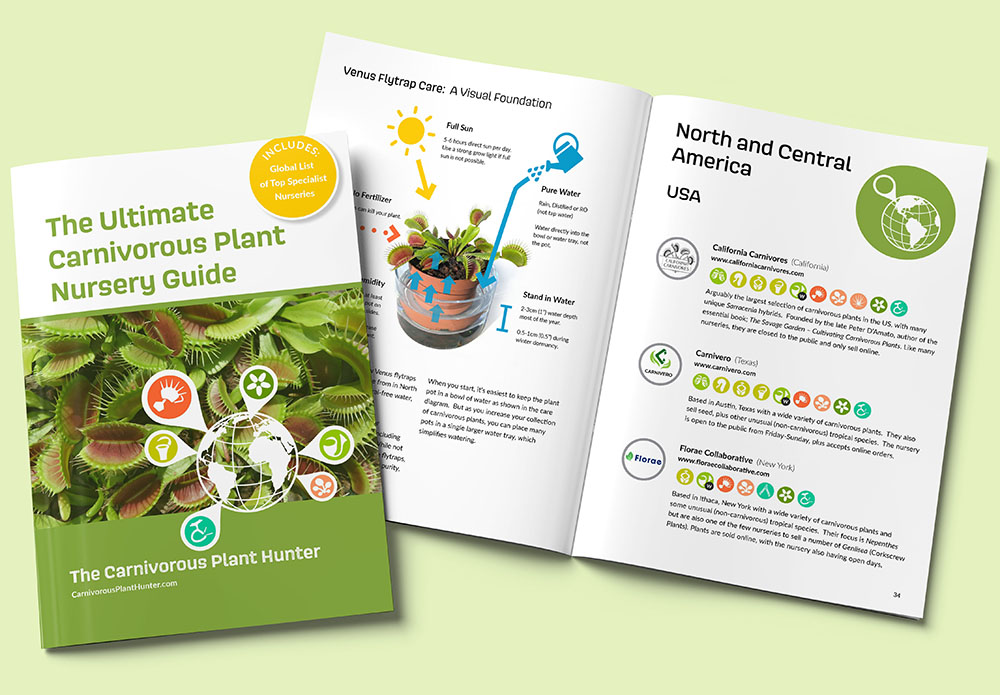
The Ultimate Carnivorous Plant Nursery Guide
A 62-page guide to finding trusted specialist nurseries, choosing healthier plants, and understanding how habitat shapes successful cultivation.
Inside, you’ll find a curated global nursery list, beginner-friendly care foundations, ethical sourcing guidance, and practical context for matching plants to your conditions.
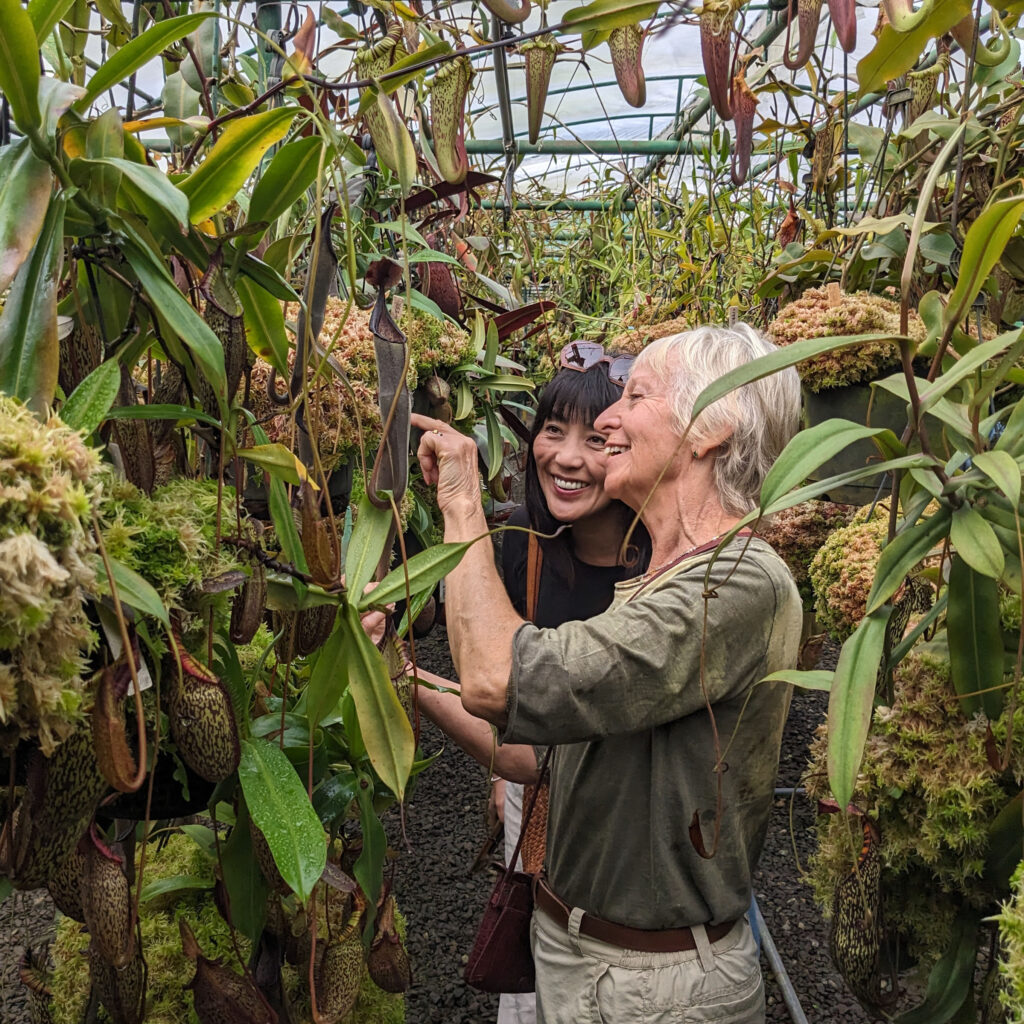
Bonus: Behind the Scenes at Borneo Exotics
A rare glimpse inside the world’s largest Nepenthes nursery — normally closed to the public.
See how responsible cultivation, micropropagation, hybrid selection, and conservation through cultivation work at scale.
Discover how the Guinness World Record–holding pitcher plant was created, and why cultivated plants and hybrids often outperform wild species.
The Explorer's Notebook
The Nursery Guide is the starting point.
The Explorer’s Notebook is how the journey continues.
When you download the guide, you’ll also receive occasional notes from the Carnivorous Plant Hunter: field observations, nursery stories, growing insights, new Explorer Guides, Plant Map updates, and early access to future videos.
Occasional, thoughtful, and easy to leave at any time.
Why Source Matters
Many carnivorous plants fail before they ever reach a windowsill or greenhouse.
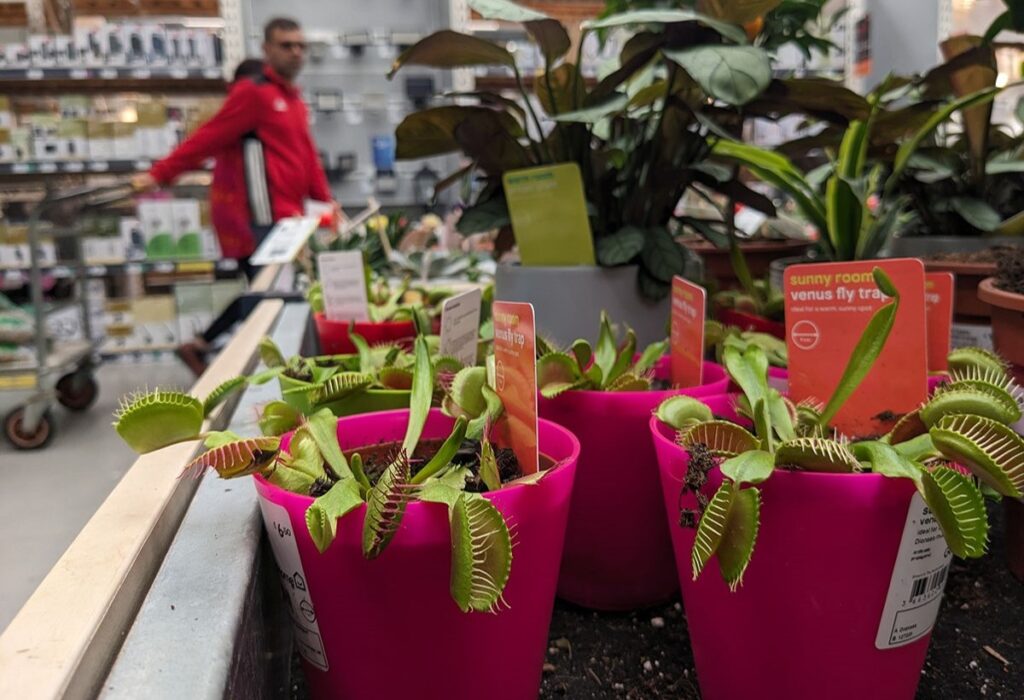
Stressed retail plants, kept under poor light, with unsuitable water; vague online sellers; and wild-collected specimens, all create problems that better sourcing can help avoid.
The guide helps you start — or continue — from a stronger place: with healthier plants, reliable specialist nurseries, and a clearer understanding of what each plant actually needs.
Grow better. Choose wiser. See more clearly.
Growing carnivorous plants isn’t just about cultivation — it’s a way of connecting with the places, stories, and ecosystems that shape these remarkable species.
And through this, many people find a deeper appreciation for the natural world as a whole.
The guide gives you the practical foundation. The Explorer’s Notebook continues the journey — from cultivation, to habitat, to the wild places these plants come from.
Whether you’re encountering these species for the first time or have been growing them for years, this collection offers valuable insight into nature’s most extraordinary predators.
Start with better sources — and a clearer way to grow
Download the free Nursery Guide and begin with trusted nurseries, smarter plant choices, and the habitat context that makes carnivorous plants easier to understand.
Includes the Nursery Guide and the Explorer’s Notebook — occasional field notes, growing insights, and new resources. Unsubscribe anytime.
About the Author
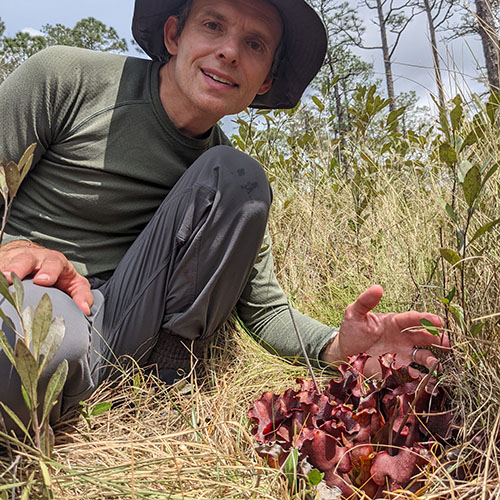
I’ve spent decades exploring wild habitats, documenting carnivorous plants in the field, and working with ethical growers. Through collaborations with Borneo Exotics, I’ve gained a rare, firsthand understanding of how responsible cultivation protects wild populations.
These resources bring together practical guidance, behind-the-scenes insight, and an ongoing connection to stories from the wild.
— James Haig Streeter, Founder, Carnivorous Plant Hunter