Where exploration, science, and the wild world of carnivorous plants collide.

If you’ve ever looked at a Venus flytrap or a spectacular Nepenthes and wondered where these extraordinary plants grow, how they hunt, or what it’s like to encounter them in the wild — you’re in the right place.

The Carnivorous Plant Hunter brings together decades of field exploration, research, and firsthand discovery to reveal how these remarkable predators live and thrive in nature.

Whether you’re an experienced grower, an adventurous traveler, or simply fascinated by the world’s strangest plants, this platform opens a window into their incredible adaptations, and the places that shape them.

Use the interactive Plant Map, dive into detailed Explorer Guides, and uncover the environments where some of the most extraordinary species on Earth can be found.

Along the way, you’ll encounter field-tested insights, habitat context, and stories from years of discovery — all designed to help you connect with these plants in the wild, not just on your windowsill. And through them, you may begin to see the natural world a little differently.

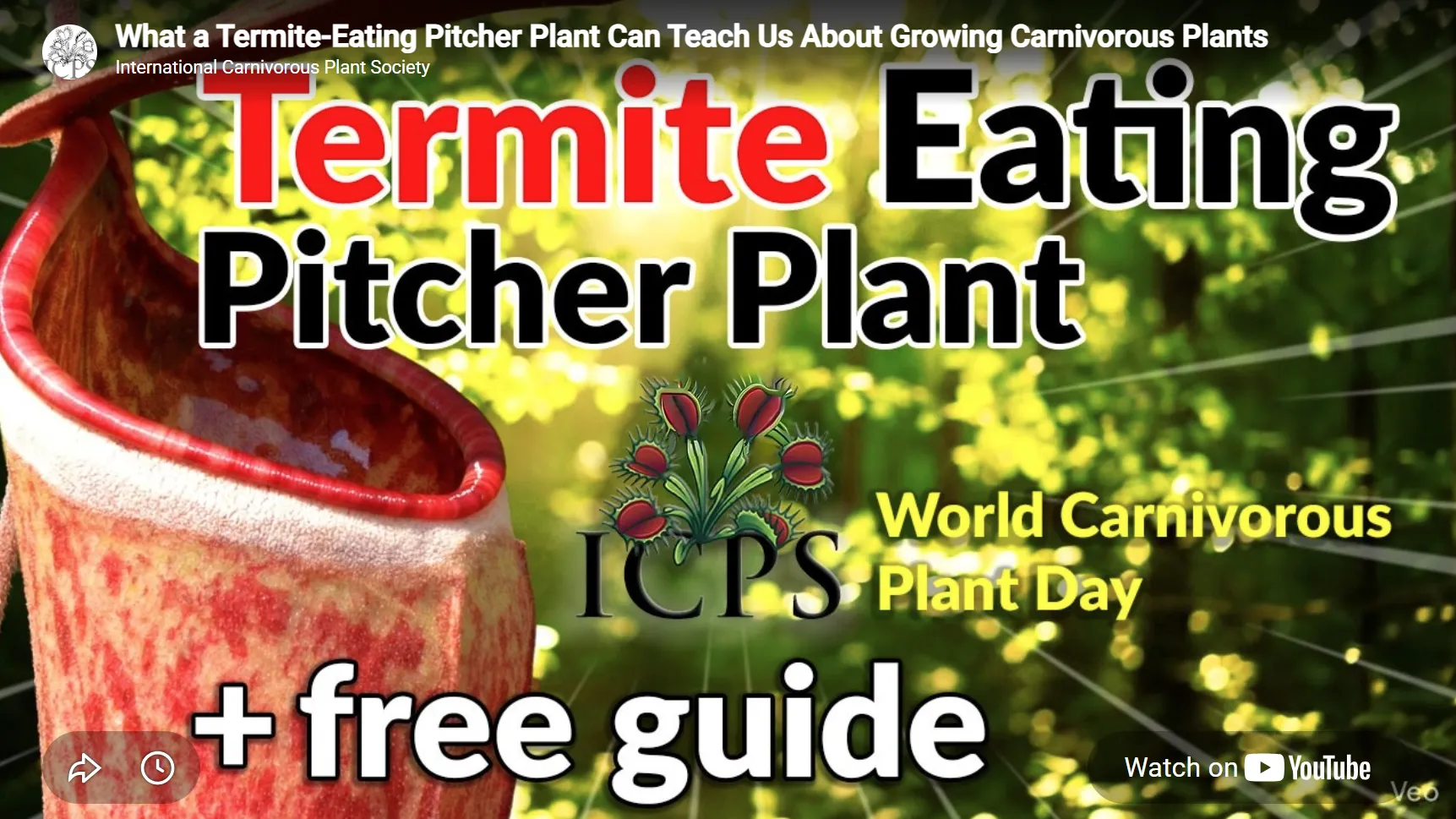
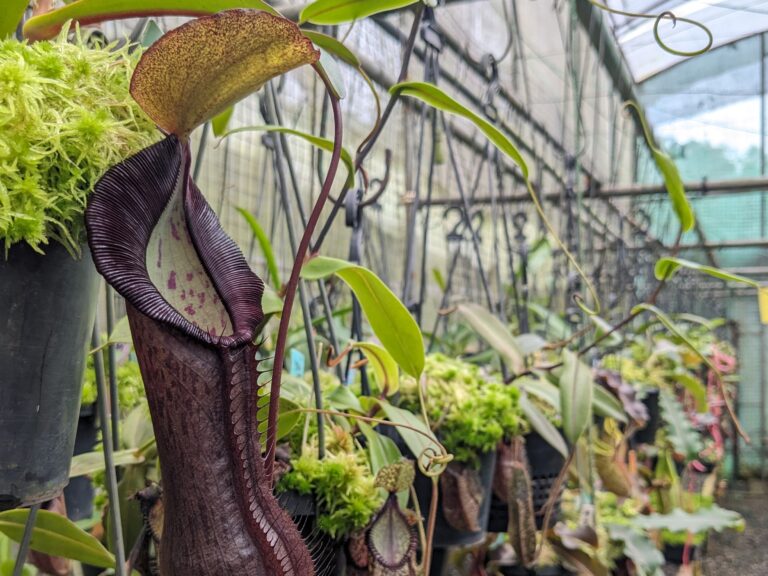
Watch as Carnivorous Plant Hunter founder James Haig Streeter explores the jungle of Penang in search of a termite-eating pitcher plant — and celebrates World Carnivorous Plant Day with the launch of the free Nursery Guide.

Then explore the Plant Map and field guides below and start your own journey.

International Carnivorous Plant Society Conference 2026
Carnivorous Plant Hunter founder James Haig Streeter will be a guest speaker, presenting on the Carnivorous Plant Tree of Life
Conference Details
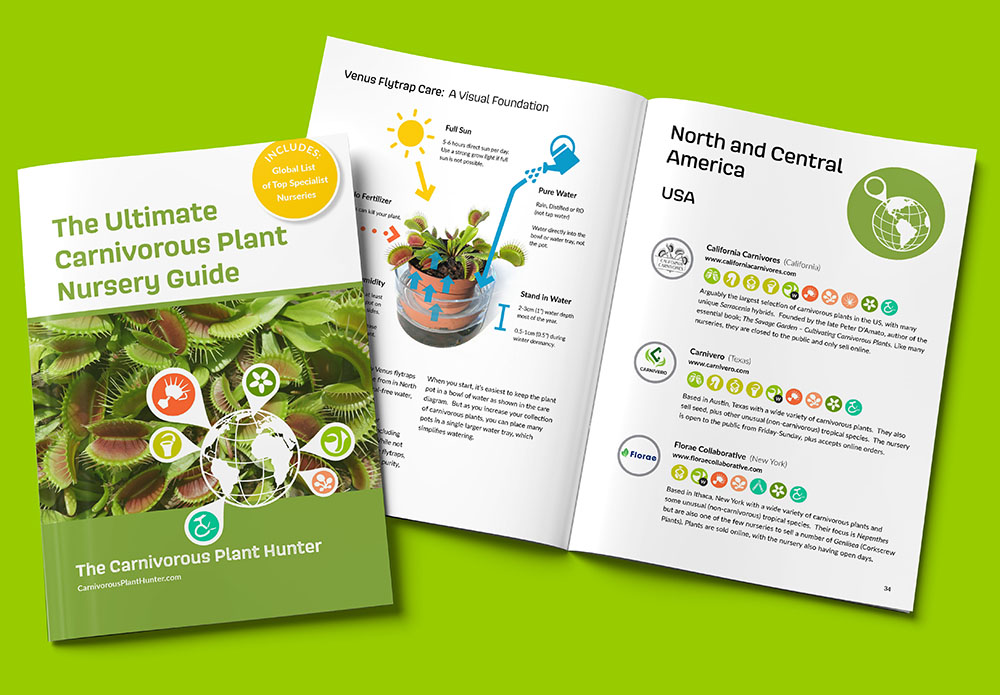
The Ultimate Carnivorous Plant Nursery Guide
New publication - released on World Carnivorous Plant Day 2026
Get Your FREE Copy
Featured Explorer Guide: Venus Flytrap
The Green Swamp Preserve, USA. One of the last strongholds of the Venus flytrap — and a mecca for carnivorous plant hunters
Read the Explorer Guide

Welcome to the Carnivorous Plant Hunter — where the wild stories of the world’s most remarkable plants come to life…

Getting Acquainted

Carnivorous plants are easy to recognize, but harder to understand at first glance.

A flytrap snapping shut, a pitcher filled with insects, or a sundew glittering with sticky drops can seem like isolated curiosities.

But each one points back to something larger: the habitat it comes from, the pressures that shaped it, and the unusual strategies plants can evolve when nutrients are scarce.


Before you explore the Plant Map or dive into the Explorer Guides, these five questions offer a simple starting point. They explain where carnivorous plants live, how diverse they are, how they evolved, and why their traps reveal so much about the natural world.

1. Where do carnivorous plants live?

Mostly in nutrient-poor habitats such as bogs, wetlands, savannas, heathlands, and mountain environments — places where ordinary plant strategies often struggle.
Learn More

2. How many species and types are there?

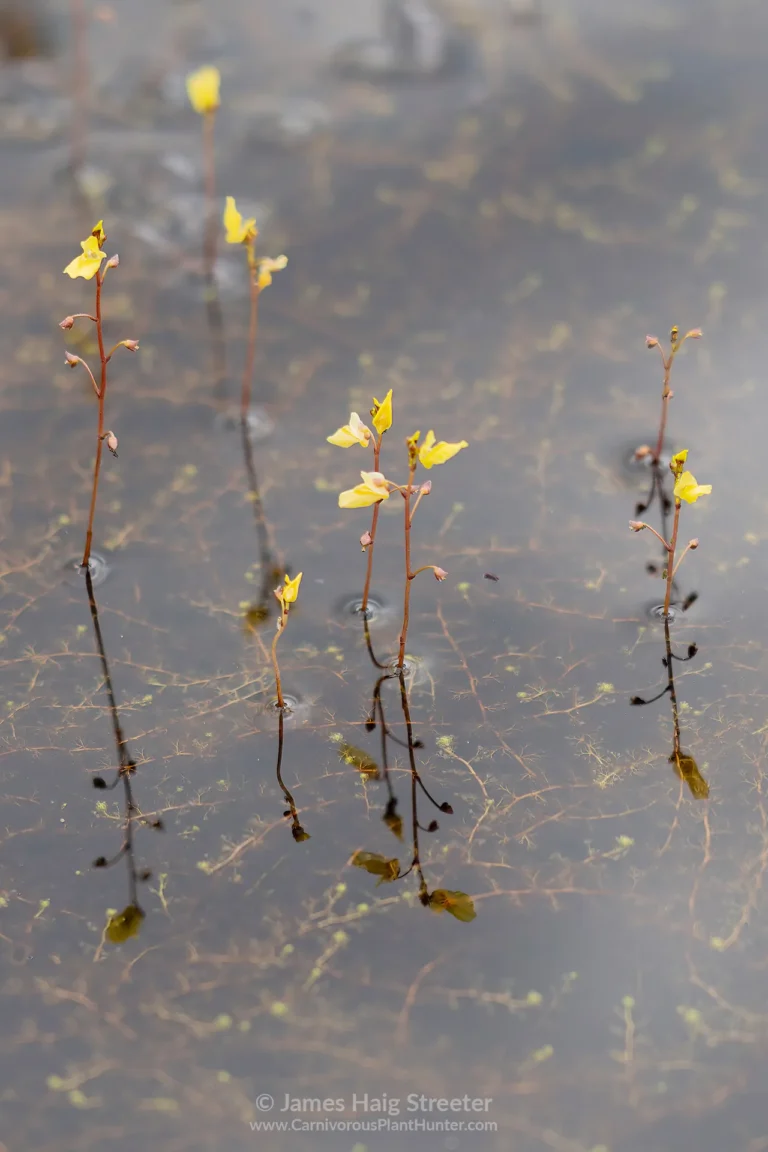
There are more than 800 known species across multiple plant groups, from sundews and pitcher plants to bladderworts, butterworts, and flytraps.
Learn More

3. Are they closely related?

Not usually. Carnivory evolved independently several times, making these plants one of nature’s clearest examples of convergent evolution.
Learn More

4. Are they really predators?

Yes. Carnivorous plants attract, capture, digest, and absorb nutrients from animal prey — even though they are rooted to the spot.
Learn More

5. How do they trap their prey?

Their traps include sticky leaves, pitfall pitchers, snap traps, underwater suction traps, and lobster-pot traps — each shaped by habitat, pressure, and opportunity.
Learn More

Plants as a Lens

Once these questions begin to make sense, carnivorous plants stop feeling like isolated curiosities. A flytrap, pitcher, sundew, or bladderwort becomes a sign of something larger: habitat, pressure, adaptation, and life responding to constraint.


In that sense, carnivorous plants become a lens. Their adaptations are bold enough to catch our attention, but what they reveal goes far beyond the plants themselves.

They make it easier to notice subtler patterns across the living world: how plants and animals interact, signal, and respond to one another, how environments shape the form of a leaf, and how every species fits into a larger landscape.

The Plant Map

Your gateway to seeing carnivorous plants in the wild.

This interactive map is the result of decades spent tracking down carnivorous plants across the globe — often during family vacations and, yes, even on James’ honeymoon.

Each icon marks the approximate location where a species was found in the wild and links directly to a detailed Explorer Guide. Use them to plan your own trip or simply to learn more about a species you love.

Want to get the most out of this map?

1. Explore the map
Click the full-screen icon (top right) for the best view, then zoom in to see the plant icons. Some locations include multiple species, which may not be visible until you zoom in.

2. Open the plant list
Expand the menu on the left to browse all species. Each one includes a short description and links to its Explorer Guide.

3. Discover more
Click a plant name or map icon to zoom to its location and access its Explorer Guide — packed with in-depth information, photos, species insights, and stories from the wild.

[Please note: as this is a new site, some Explorer Guides are still in production. If there’s one you’re especially keen to see, feel free to let James know.]

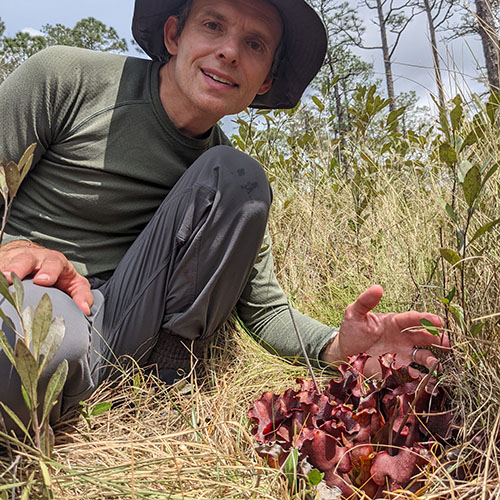
James at the Green Swamp Preserve, North Carolina, with Sarracenia purpurea var. venosa.

Every Location Personally Tracked Down

Every point on this map represents a real encounter — from sought-after treasures like the Venus flytrap and the giant fork-leaved sundew (Drosera binata var. multifida), to unforgettable surprises such as stumbling upon the cobra lily (Darlingtonia californica) in northern California or seeing a wild Nepenthes for the very first time.

To protect these fragile habitats, the map shows only approximate locations. Getting close is easy — discovering the exact spot is part of the adventure. If you’d like a starting point for deeper searching, tools like iNaturalist can help guide your way.

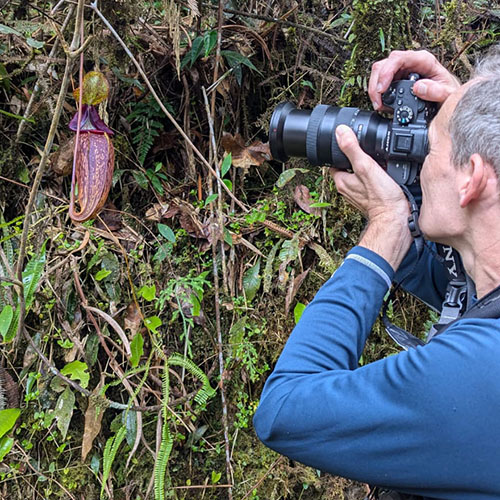
Photographing Nepenthes macfarlanei in the Cameron Highlands, Malaysia.

Take Great Photos — but Not the Plants Themselves!

This should go without saying, but in the wild, the only thing that should be taken is a photograph.

Carnivorous plants often grow in small, fragile populations that can be severely damaged by disturbance or illegal collection. Many are now protected internationally under CITES.

By leaving plants where they belong, you help protect these habitats for future explorers — and honor the idea that nature is something to admire, not remove.

Rare, young Nepenthes hamata being propagated at Borneo Exotics' nursery, Sri Lanka.

Want to Grow What You’ve Seen?

If you’ve discovered a plant in the wild that you’d love to grow at home, the ethical approach is simple: buy from a specialist nursery. These growers propagate plants from legally obtained parent stock, supporting conservation while offering hobbyists a sustainable way to enjoy rare species.

To find reputable nurseries near you — and learn which species to choose and how to grow them successfully — download the free Ultimate Carnivorous Plant Nursery Guide.

It’s the easiest way to expand your collection responsibly.

Explorer Guides

Field-tested insights from the world of carnivorous plants.

If the Plant Map shows you where carnivorous plants grow, Explorer Guides show you what it’s like to find them. Each guide is crafted from firsthand field experience and offers a window into the landscapes, stories, and natural conditions that shape these remarkable species.

Explorer Guides come in two types:

Whether you’re preparing for a trip or exploring from home, these guides are designed to deepen your understanding of the plants, the habitats that shape them, and the wider natural world they reveal.

Field Explorer Guides

Linked directly from the Plant Map, these guides focus on individual carnivorous plant species in the wild. Expect immersive field notes, detailed photography, habitat context, and what makes each site unique — all drawn from James’ decades of exploring carnivorous plants around the world.

Free Guide: The Ultimate Carnivorous Plant Nursery Guide

A curated list of the best specialist nurseries worldwide, care tips, plus a special bonus.

Stay up to date.

This is a new site with much more on the way.

Join the Explorer’s Notebook and be the first to hear about new Explorer Guides, field discoveries, behind-the-scenes stories, and early access to upcoming projects — and get The Ultimate Carnivorous Plant Nursery Guide as a welcome gift.

Explorer’s Notebook emails are occasional and meaningful. Unsubscribe anytime.

Essays & Resources

These guides explore broader themes surrounding carnivorous plants — from their natural history and unusual adaptations, to the cultural and scientific stories that have shaped their place in the world. You’ll also find practical tips and resources for planning your own plant-hunting adventures.

About the Founder

James Haig Streeter:  Explorer, photographer, and lifelong student of carnivorous plants.

James is an award-winning landscape architect turned documenter of wild carnivorous plant habitats. He has spent decades tracking these remarkable species across the globe, guided by research, patience, and the joy of discovering plants in the places nature intended.

“In many ways, these plants taught me how to see: how environmental pressures shape form, and how beauty and purpose can be inseparable.”

A member of the IUCN Carnivorous Plant Specialist Group, James founded the Carnivorous Plant Hunter to help people experience carnivorous plants in the wild, understand the stories behind them, and connect more deeply with the natural world.

What began as a personal project to map wild plant sightings has grown into a platform where exploration, science, and the wild world of carnivorous plants collide.