Plants That Change How You See
Why Carnivorous Plants Are More Than a Hobby. They’re a Lens on the Natural World
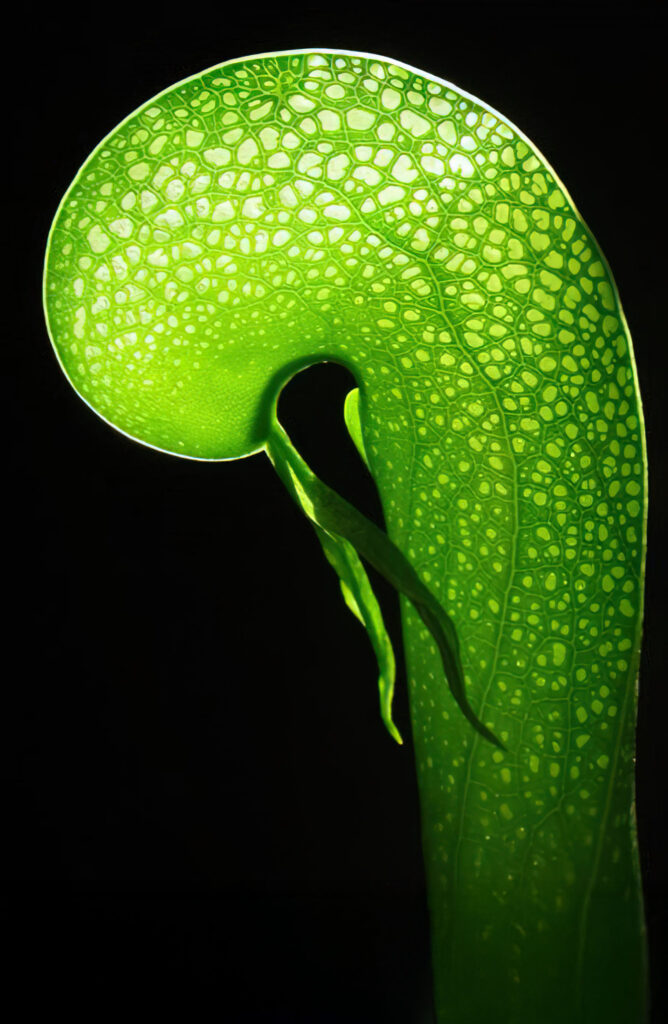
James surrounded by Darlingtonia californica (cobra lilies), Mt Shasta, CA
I’m James Haig Streeter — an explorer, photographer, and lifelong student of one of nature’s strangest and most extraordinary creations: the carnivorous plants.
I help people experience these remarkable species in the wild, understand the stories behind them, and cultivate a deeper connection with the natural world through exploration, science, and storytelling.
Today I’m a member of the IUCN Carnivorous Plant Specialist Group and the founder of the Carnivorous Plant Hunter. My work focuses on documenting wild carnivorous plant habitats around the world and sharing them in a way that invites others to see nature with fresh eyes.
But the path that led me here began much earlier — long before I fully understood what I was looking at.
My fascination with carnivorous plants began in childhood, after encountering wild sundews in southern England — coincidentally on the same heathland where Darwin first studied them more than a century earlier. I didn’t realize it then, but that moment planted a seed that would shape the direction of my life.
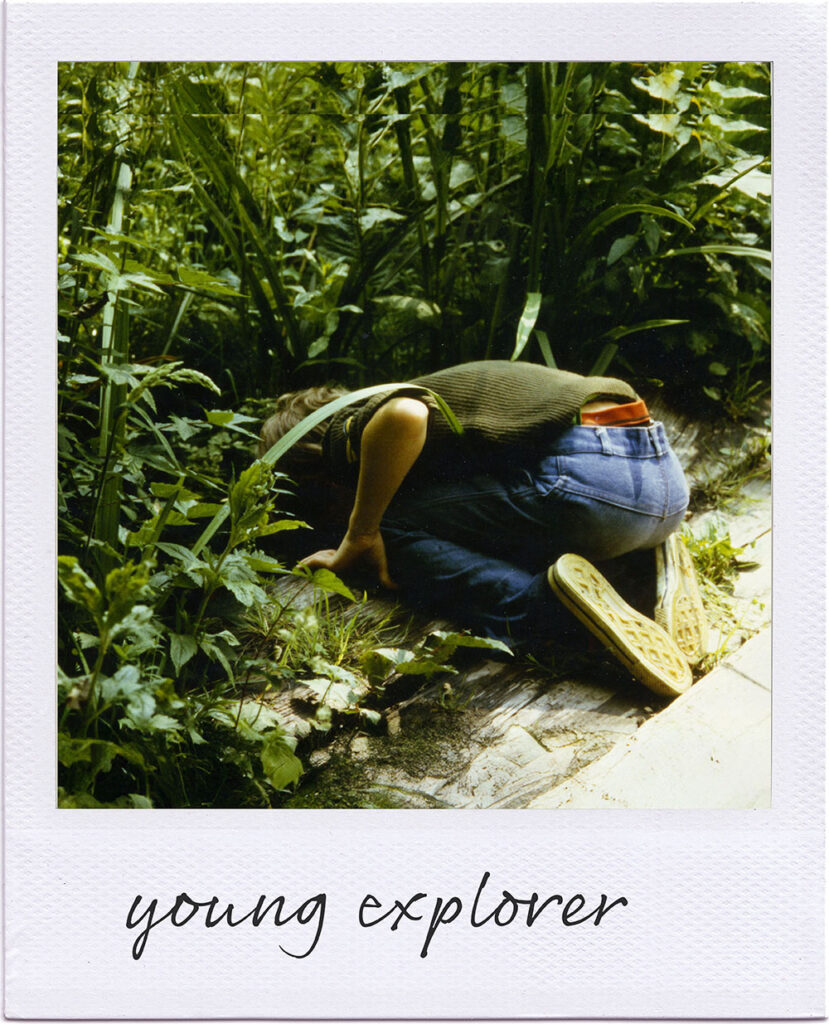
I grew up exploring local woodlands, wetlands, and meadows, often returning home covered in mud and clutching some new discovery. These early adventures sparked the same curiosity that would eventually lead me far beyond home, to habitats as varied as Florida’s wetlands, the misty highlands of Southeast Asia, and the remote wilderness of Australia.
Naturally, I wanted to grow at home what I had seen in the wild. As a teenager I began with a small collection of pitcher plants and other exotic species on the kitchen windowsill. I still grow carnivorous plants today — though the collection now includes some far more unusual varieties.
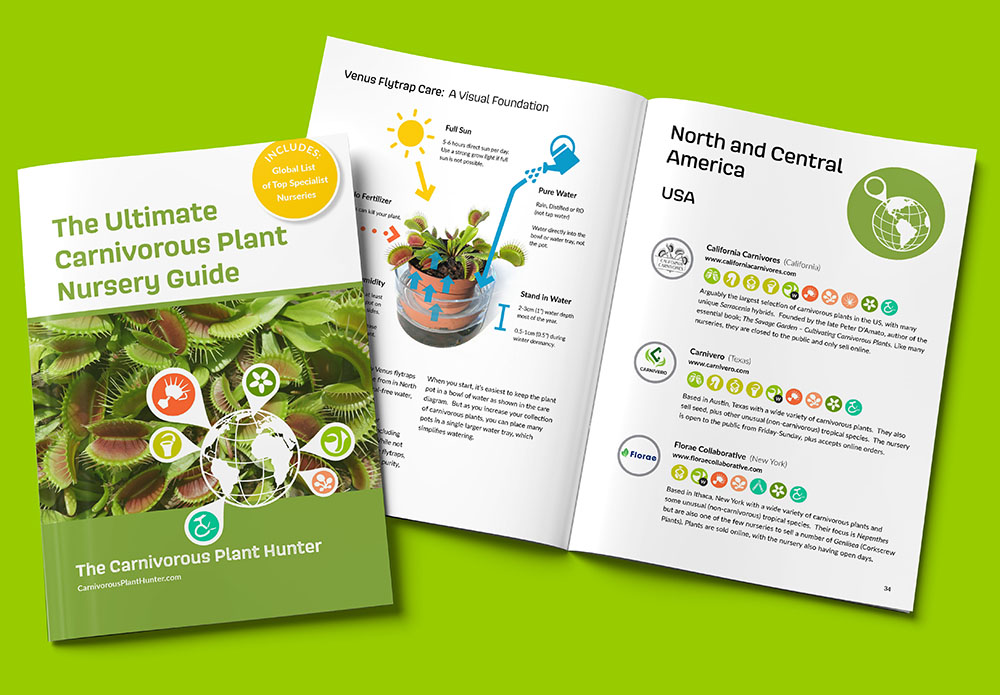
Free Guide: The Ultimate Carnivorous Plant Nursery Guide
Inside, you’ll find:
When I first started, finding trustworthy nurseries was nearly impossible. To help both beginners and experienced growers avoid the same frustration, I created The Ultimate Carnivorous Plant Nursery Guide — a curated list of the best specialist nurseries worldwide, along with simple guidance on choosing your first plants.
You’ll receive it instantly when you join the Explorer’s Notebook — your direct line to new field discoveries, plant-care insights, and behind-the-scenes stories from expeditions, research, and the wild.
Explorer’s Notebook emails are occasional and meaningful. Unsubscribe anytime.
Before focusing my work on carnivorous plant exploration, I spent over two decades as a Landscape Architect, developing award-winning projects across the US, Europe, the Middle East, and China. My design career grew from the same curiosity that first drew me to carnivorous plants — an interest in how nature solves complex challenges with elegance and precision.
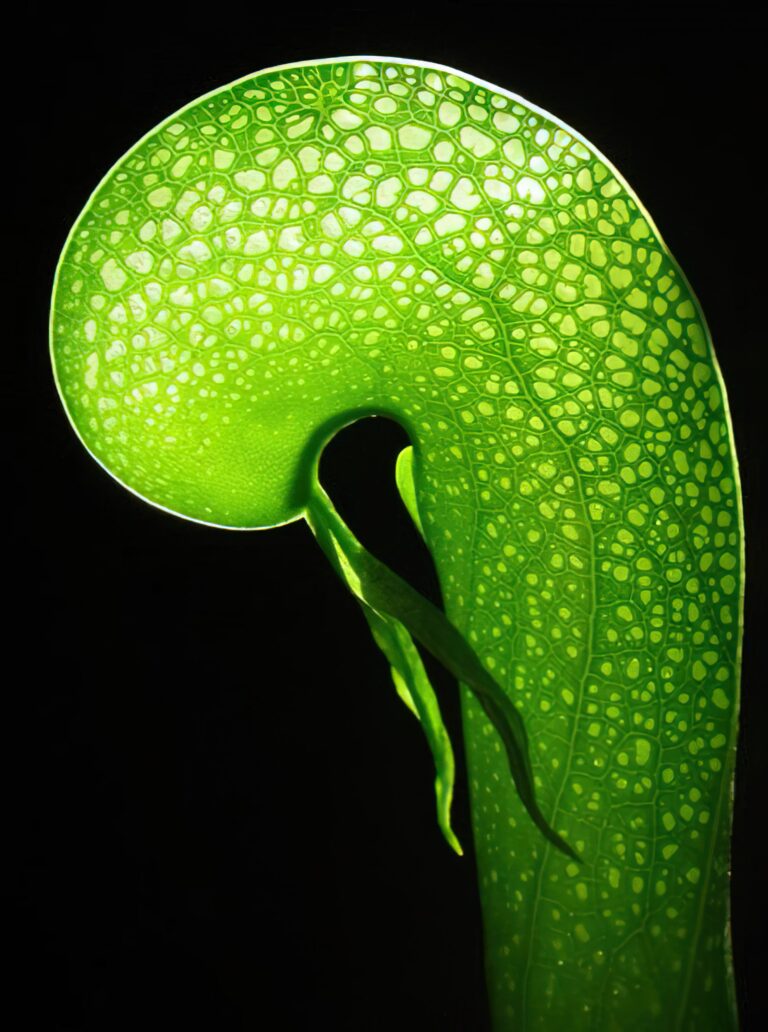
Through my love of both biology and design, biomimicry, learning from nature, became a central theme in my work. The sculptural forms of carnivorous plants, for example, are not only beautiful but meticulously engineered for survival. Their interplay of aesthetics and function has always inspired me.
“In many ways, these plants taught me how to see as a designer: how environmental pressures shape form, and how beauty and purpose can be inseparable.”
That way of looking, honed through years of design practice, now guides my fieldwork, photography, and storytelling. It’s what allows me to read a landscape, notice the subtle cues that hint at where a species might grow, and appreciate the evolutionary strategies woven into every habitat I encounter.
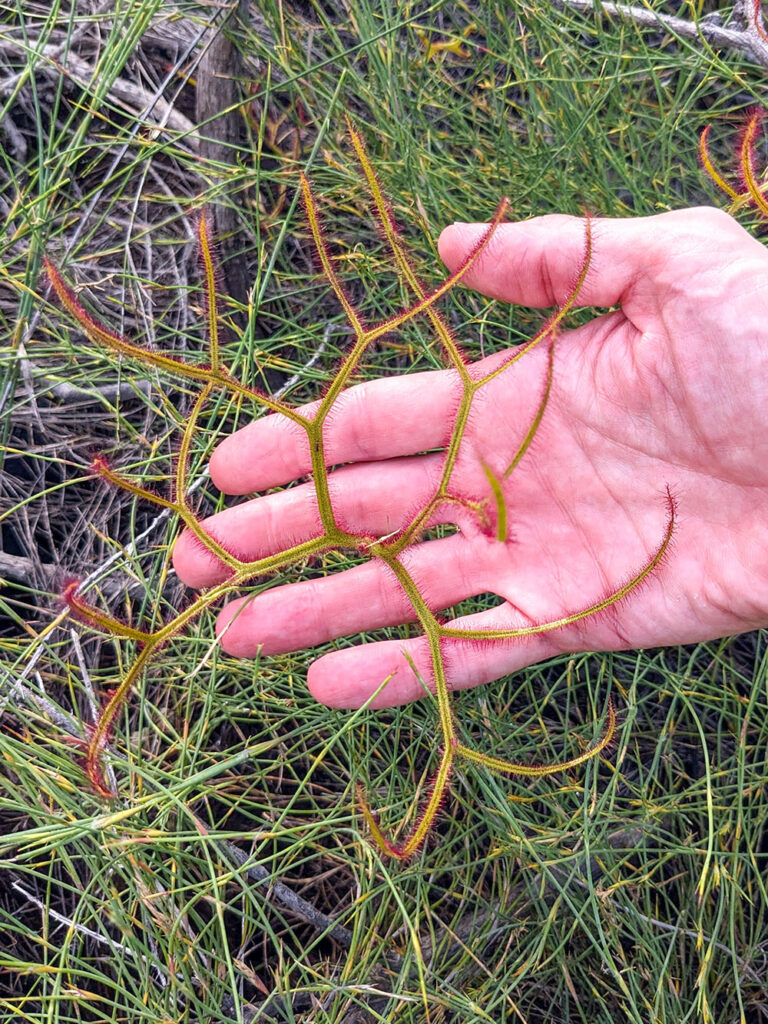
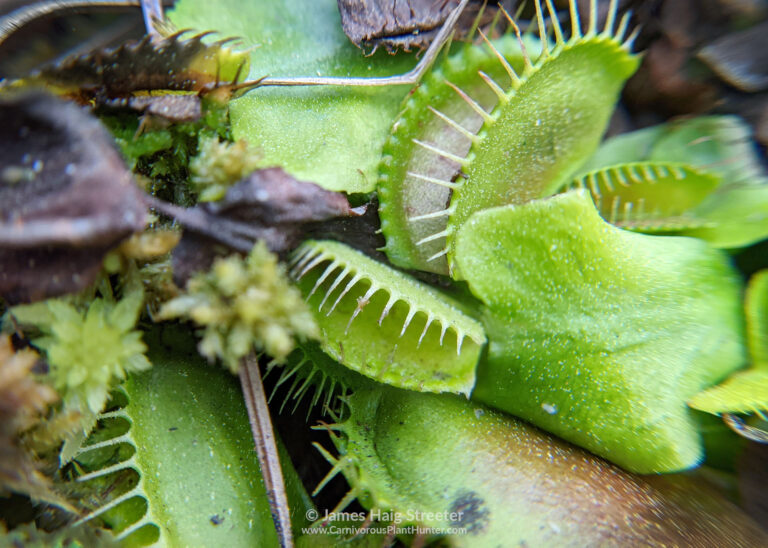
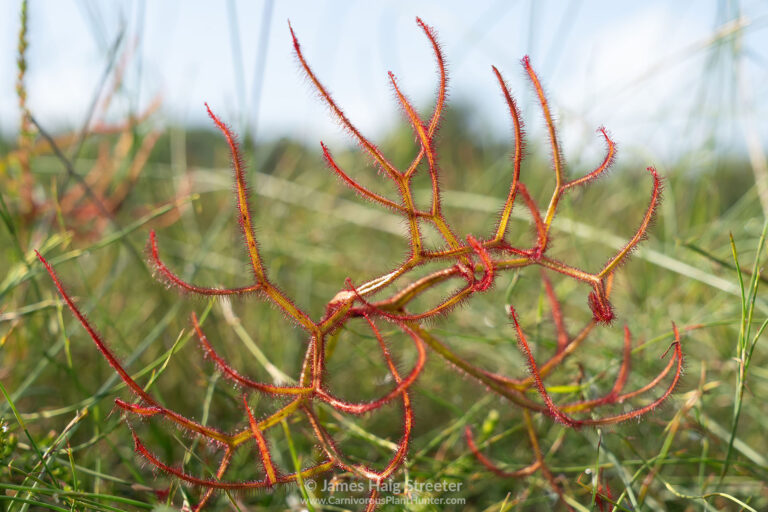
Over the past few decades, I’ve traveled widely to document carnivorous plant species in situ — sometimes after exhaustive research, sometimes by pure luck. I’ve tracked down Venus flytraps in their last remaining natural range, located populations of giant fork-leaved sundews in Australia, and stumbled across cobra lilies in the mountains of northern California.
There is great pleasure to be had in the hunt. The goal is not to take these plants, but quite the opposite: simply to find them where they belong. To stand in a bog, a heathland, or a mountain clearing and witness one of these remarkable predators within the environment that shaped it.
Many of these discoveries happened during a year-long world trip with my family — sharing the adventure, and my love of the natural world, with my children. And yes, I even found an unusual sundew during my honeymoon. (My wife is very understanding.)
“Every plant sighting on the Carnivorous Plant Hunter Plant Map represents a real moment of discovery: the culmination of preparation, intuition, and the joy of finding something extraordinary exactly where nature placed it.”
As the years passed, my curiosity expanded from simply finding these species to understanding the evolutionary and ecological forces that shaped them. Carnivorous plants sit at a fascinating crossroads of biology — their adaptations raise questions that stretch across millions of years, and their forms reveal the extraordinary ways life innovates when faced with challenge.
This deeper interest continues to shape my research and will increasingly guide what I share in the future.
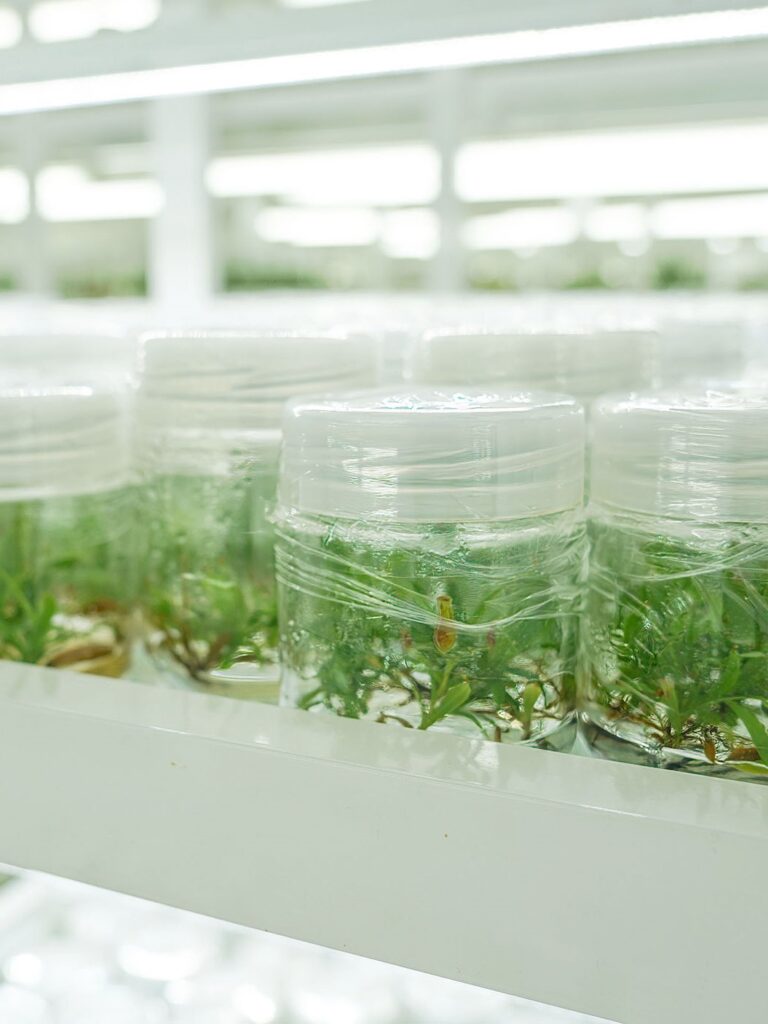
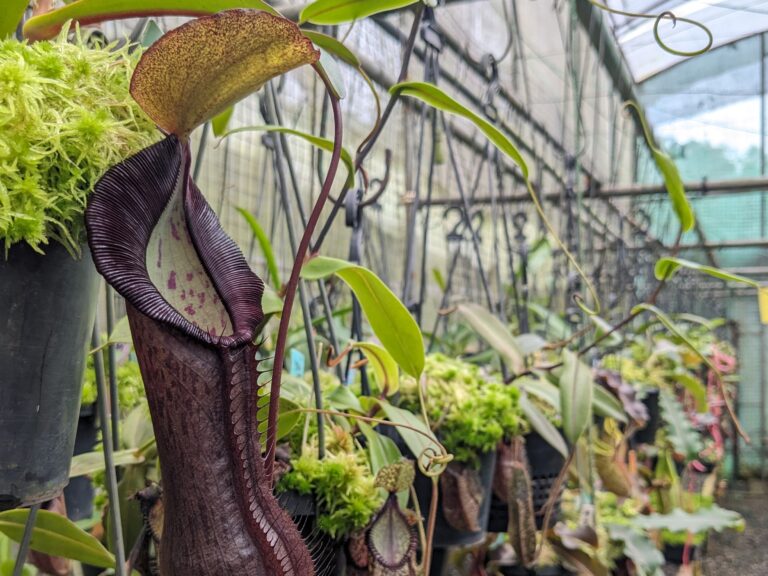
Alongside field exploration, I’ve also become involved in the cultivation side of carnivorous plants as a part-owner of Borneo Exotics, one of the world’s leading Nepenthes nurseries and a pioneering micropropagation lab.
This perspective has given me a rare view into how these plants are propagated, conserved, and shared responsibly with growers around the world, complementing what I’ve learned from finding them in the wild. Seeing both sides of their story, from remote habitats to specialist cultivation, has deepened my understanding of these remarkable species and the ecosystems that shaped them.
What began as a personal project to map my own field sightings slowly became something much larger: a platform for exploration, science, and storytelling. My aim is to help enthusiasts, travelers, growers, and the simply curious experience these remarkable plants not just as specimens on a windowsill, but as living organisms rooted in real places with complex ecological stories.
Carnivorous plants have a rare ability to spark curiosity beyond themselves. Their unexpected forms naturally invite questions, and following those questions encourages closer attention — firstly to the plant itself, and then to the realization that similar patterns repeat throughout nature.
Because plants are so unlike us — they don’t think, plan, or perceive as we do — they free us from comparison. We meet them on their own terms. And carnivorous plants, with their bold and sometimes startling adaptations, force us to notice.
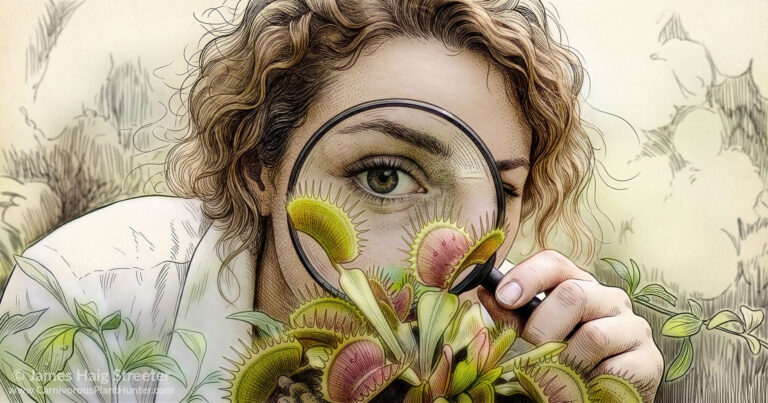
“In a sense, these plants offer a lens through which the natural world comes into sharper focus.”
Through detailed field guides, habitat notes, photography, and resources for both explorers and growers, I hope to offer a window into the world that first captured my imagination — a world stranger, wilder, and more awe-inspiring than most people ever imagine.
“And through this, I hope you’ll find not only a deeper understanding of these incredible plants, but a deeper connection with the natural world as a whole. Not as something separate from us, but as something we are deeply a part of.”
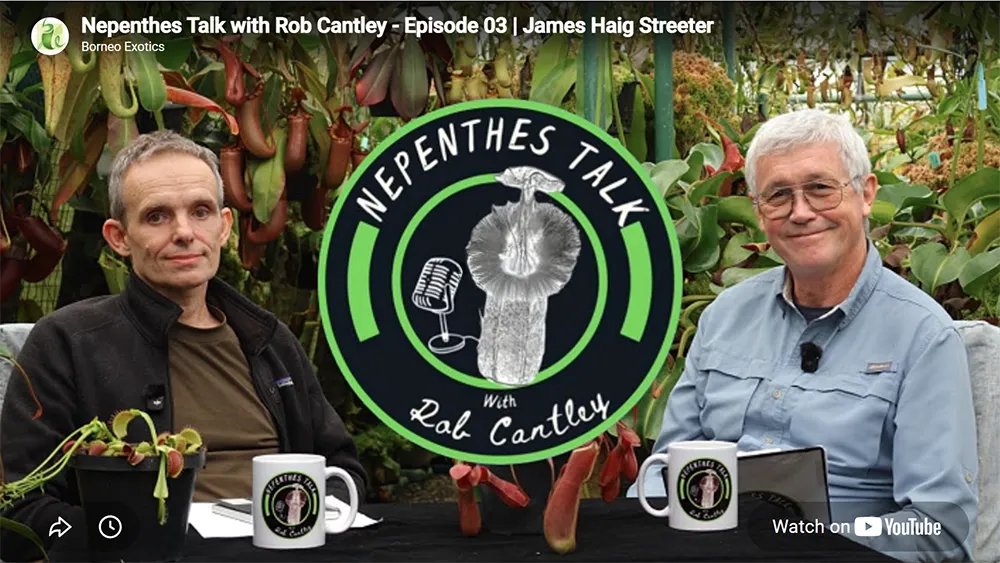
Watch as Rob Cantley, world-renowned Nepenthes expert and Co-Chair of the IUCN Carnivorous Plant Specialist Group, sits down with me to talk about exploration, discovery, and what it really takes to find carnivorous plants in the wild.
Whether you’re a seasoned grower or taking your first steps into this extraordinary world, you’re warmly invited to become a Carnivorous Plant Hunter too.
This platform exists not just to share my discoveries, but to help you make your own — to explore wild habitats, understand the stories behind each species, and cultivate a way of seeing that deepens over time.
Start with the Plant Map or dive into the Explorer Guides, and begin your journey into a world of remarkable plants, remarkable places, and remarkable moments of discovery.
Get the free Ultimate Carnivorous Plant Nursery Guide
Inside, you’ll find:
Join the Explorer’s Notebook to receive new field discoveries, plant-care insights, behind-the-scenes stories, and early access to upcoming projects — and get The Ultimate Carnivorous Plant Nursery Guide as a welcome gift.
Inside, you’ll find a curated list of the best specialist nurseries worldwide, along with simple guidance on choosing your first plants — designed to help both beginners and experienced growers avoid the frustration of not knowing where to buy.
Explorer’s Notebook emails are occasional and meaningful. Unsubscribe anytime.

Why Carnivorous Plants Are More Than a Hobby. They’re a Lens on the Natural World

A spectacular giant sundew — and a rare chance to see evolution in action

The Green Swamp Preserve. One of the last strongholds of the Venus flytrap — and a mecca for carnivorous plant hunters.
A free guide to buying carnivorous plants safely. Learn where to buy Venus flytraps and pitcher plants, avoid wild-collected plants, and grow them successfully.

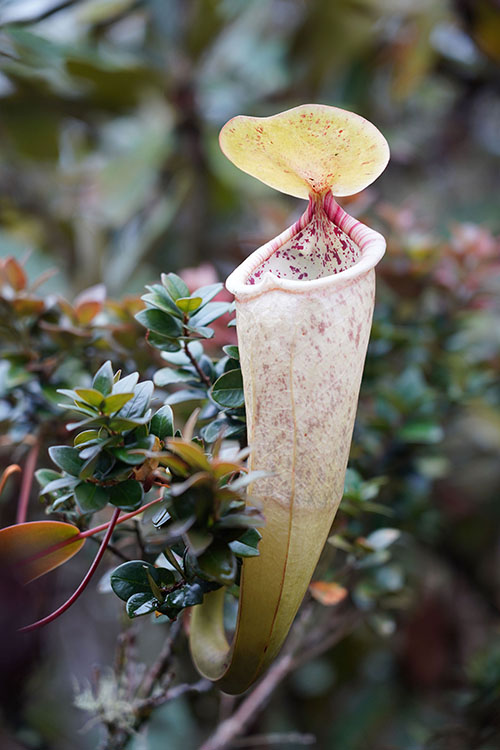
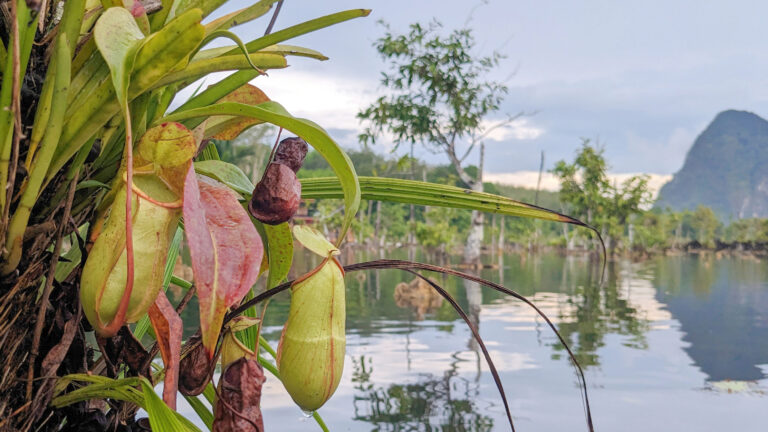
I found my first wild Nepenthes in the last place I expected — growing epiphytically in the middle of a lake.
And how to avoid the design by committee ‘camel’ syndrome.