A Creative Process Inspired by the Carnivorous Pitcher Plant

And how to avoid the design-by-committee ‘camel’ syndrome.

Have you ever become disheartened when your sleek, elegant idea was slowly diluted, as endless opinions and constraints eroded its initial pristine form? If so, you’re not alone. The saying, a camel is a horse designed by committee,” is painfully familiar to many for good reason.

The Camel Problem

The irony of this animal metaphor is that in nature, the need to overcome a complex array of competing inputs and constraints is often the stimulus for evolving some of the most extraordinary and beautiful living organisms. A positive force for evolutionary innovation, rather than a negative one. For those looking sadly at their lumpy dromedary of a design or idea, where an elegant thoroughbred once stood, this fact should serve as a rallying call of hope. Learning from nature may be the key to rejuvenating your camel.

California’s majestic Cobra Lilly, a type of trumpet pitcher plant. This is the image I’ve used many times to help explain my carnivorous plant inspired design approach. / Photo credit: Unknown

During my own design career as a landscape architect, I’ve found inspiration in a lifelong fascination with carnivorous pitcher plants. This may sound a little odd at first. However, they epitomize how a bewildering array of constraints can not only be successfully resolved, but done so in a way that produces an elegant design solution in the process.

The most successful designs aren’t imposed on a place — they emerge from understanding it. That way of looking was deeply influenced for me by biomimicry: learning from nature. Carnivorous plants are among the clearest expressions of this idea I’ve ever encountered. They grow in habitats where essential soil nutrients are scarce, yet around them is an abundance of potential nourishment in the form of insects. Remarkably, they have evolved ways to capture and digest that mobile source of nutrition while remaining, quite literally, rooted to the spot.

Their forms are striking, even theatrical, but never decorative. Every trap, surface, and movement is engineered by necessity. Nutrient-poor soils demand innovation. Isolation drives specialization. Constraint fuels creativity. In many ways, these plants taught me how to see. And design. They trained me to notice how environmental pressure shapes form, how function and beauty are inseparable, and how much information is written directly into living systems, if you learn how to read them. Importantly, the outcome of incorporating these multiple, complex, and often competing constraints is not some bizarre “camel,” but a highly functional design that is also an aesthetically striking piece of living sculpture. Beauty, in this case, is created not because conditions are easy, but because they are hard.

“Beauty …created not because conditions are easy, but because they are hard.”

Lessons from the Pitcher Plant

But theory and analogy are one thing; putting them into practice can be quite another. Nature shows the importance of responsive solutions, often taking into account a multitude of environmental constraints, while driving novelty and innovation in the process. This is an iterative process of exploration, as successive generations hone their form. However, at every step, the results also need to be functional for their given context, or they risk being permanently deleted from the gene pool by the unforgiving hand of natural selection. There is therefore a balance between openness to responsive modification and adherence to the key guiding principles beyond which a design solution cannot stray.

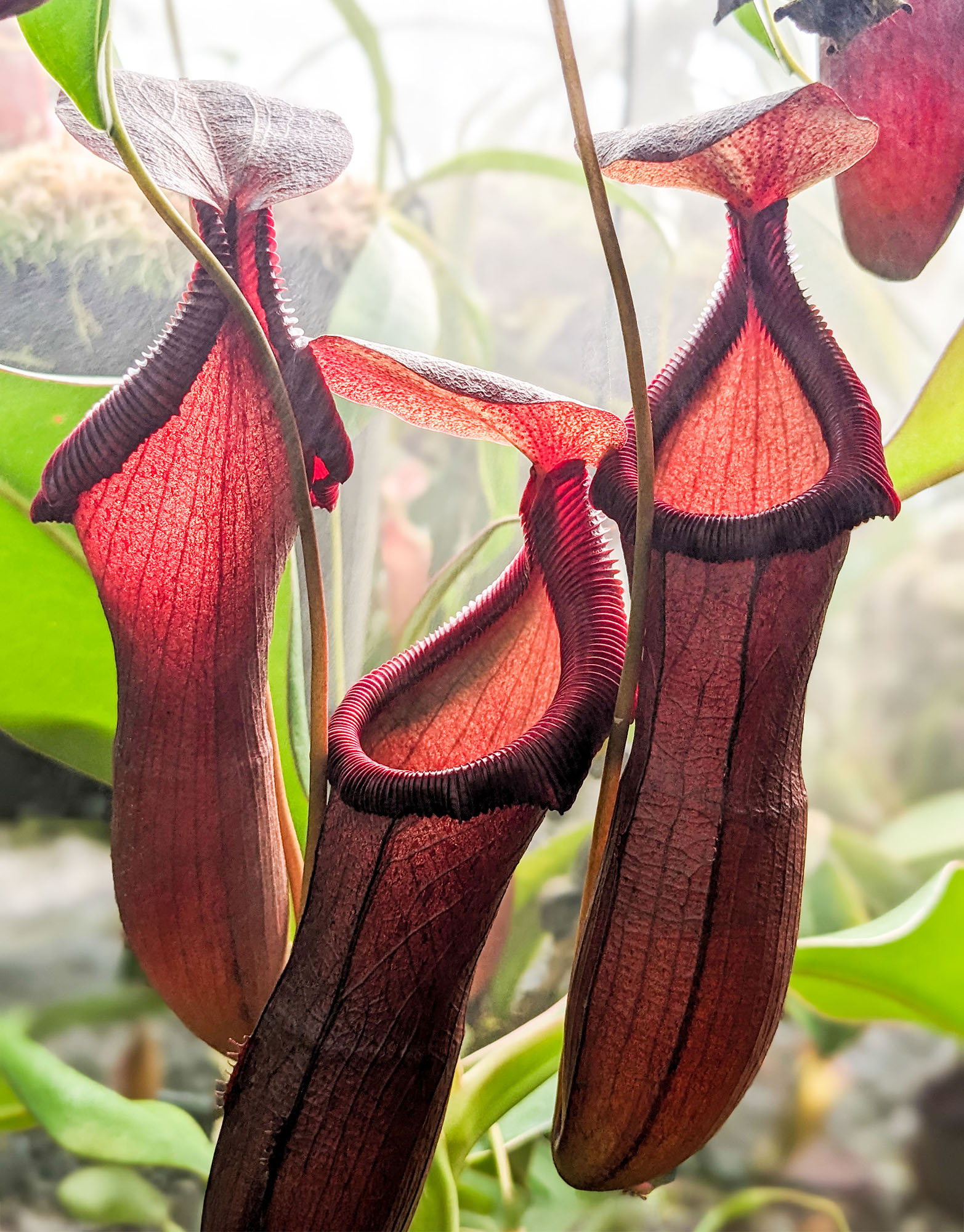
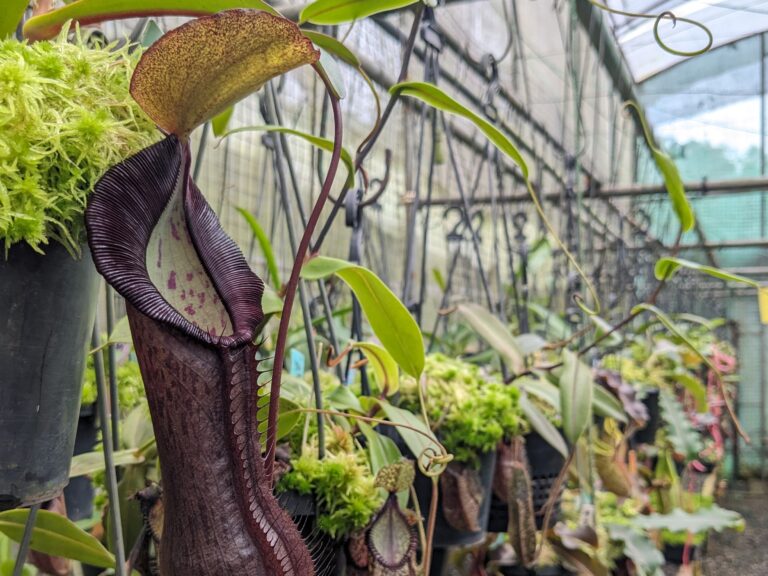
A tropical Nepenthes pitcher plant hybrid, Borneo Exotics, Sri Lanka. A piece of living sculpture on the one hand, a highly evolved predator on the other, with a sophisticatedly designed pitfall trap // Photo Credit: James Haig Streeter

It is this same balance that is required for any human creative endeavor, particularly in situations where weighing many inputs and opinions is part of the process. There may well be good reason to take on board the views of multiple stakeholders and technical experts, but without doing so within the framework of clear guiding principles and goals, a camel can quickly emerge and rear its ugly head. In nature, such camels would be edited out by natural selection. When creating things ourselves, however, we need to put our own guardrails in place to help edit out options when we go astray. The problem is not complexity. It is complexity without structure.

“…a balance between an openness to responsive modifications, while adhering to some key guiding principles…”

Oxygen Park, Education City, Doha, Qatar. The park’s sculpted forms echo the surrounding desert, helping to cool the space by channeling prevailing winds like a giant air conditioning system. An AECOM project - James Haig Streeter lead designer // Photo credit: Markus Elblaus - Wallpaper.com

This is the process I’ve endeavored to use myself: allowing a design to evolve in an organic way, as different criteria and requirements shape and mold its form. Crucially, though, this exploration happens within a well-defined, project-specific conceptual framework, enabling successive iterations to remain focused as the final design is refined and honed. Learning from nature, in a biomimicry-led design process inspired by the extraordinary pitcher plant.

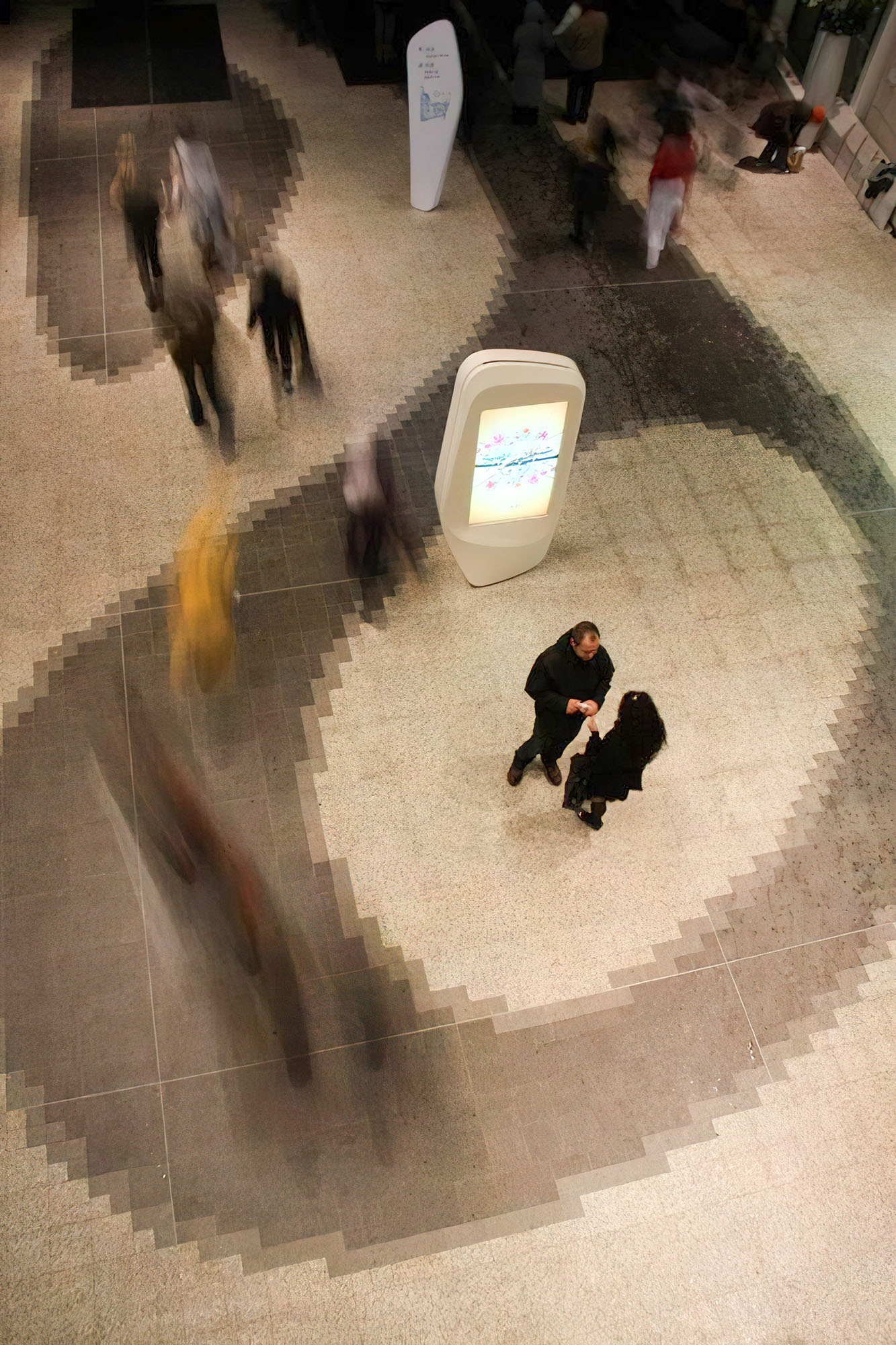
Westfield Center, London, UK. Paving scheme refined with parametric design, using Rhino software and a custom-coded script. An AECOM project - James Haig Streeter lead designer // Photo credit: Chiaki Tomita

Parametric Thinking, Natural Logic

In many ways, this approach is a form of parametric design. The term has become synonymous with the use of scripting and algorithms to speed up complex and iterative design tasks across fields ranging from architecture to aeronautical engineering. In architecture, a basic 3D model may be created, but instead of relying on fixed dimensions, those dimensions are governed by relationships and rules. Key parameters are defined to control the model — dimensions, angles, thicknesses — and then the interactions between them are established. When a variable such as wall height is modified, all connected elements adjust automatically in response.

This not only makes design changes far more efficient, but also allows multiple variables to act on one another simultaneously, including environmental ones. For example, the angle of sunlight falling on a building facade at a particular time of day or year can help determine window size and placement in order to control how much light enters a room. Used well, this can generate highly intricate and innovative building forms, often with a distinctly organic quality. Once again, the key to success lies in balancing responsiveness and possibility with the framework of constraints that gives the process coherence. Strong form does not emerge from the absence of constraint, but from constraint resolved well.

Nature has had more than three billion years to hone its evolutionary design skills, so it is little wonder that learning from those processes can produce successful results. Innovation through responsive iteration, but within a clearly defined framework. Novelty, but without the camels.

A Way of Seeing

For me, my fascination with pitcher plants represents two aspects of the same interest in design: learning from nature, and then trying to apply those lessons myself. On the one hand, a career as a designer. On the other, my spare time as a carnivorous plant hunter, tracking down and photographing these extraordinary plants in their natural environments.

So, when you next find yourself wondering how to incorporate yet another constraint and still maintain an elegant design, take inspiration from the astonishing achievements of the pitcher plant. Then, if you can, go and find one in the wild.

Share..

Follow..

About the Author

James is an award-winning landscape architect turned documenter of wild carnivorous plant habitats. He has spent decades tracking these remarkable species across the globe, guided by research, patience, and the joy of discovering plants in the places nature intended.

A member of the IUCN Carnivorous Plant Specialist Group, James founded the Carnivorous Plant Hunter to help people experience carnivorous plants in the wild, understand the stories behind them, and connect more deeply with the natural world.

What began as a personal project to map wild plant sightings has grown into a platform where exploration, science, and the wild world of carnivorous plants collide.

Useful References

Enjoyed this exploration?

Join the Explorer’s Notebook for new stories from the wild, creative insights, field discoveries, and early access to upcoming projects — including future guides and evolution-focused features.

You’ll also receive The Ultimate Carnivorous Plant Nursery Guide as a welcome gift.

Explorer’s Notebook emails are occasional and meaningful. Unsubscribe anytime.

Recommended Next Articles...