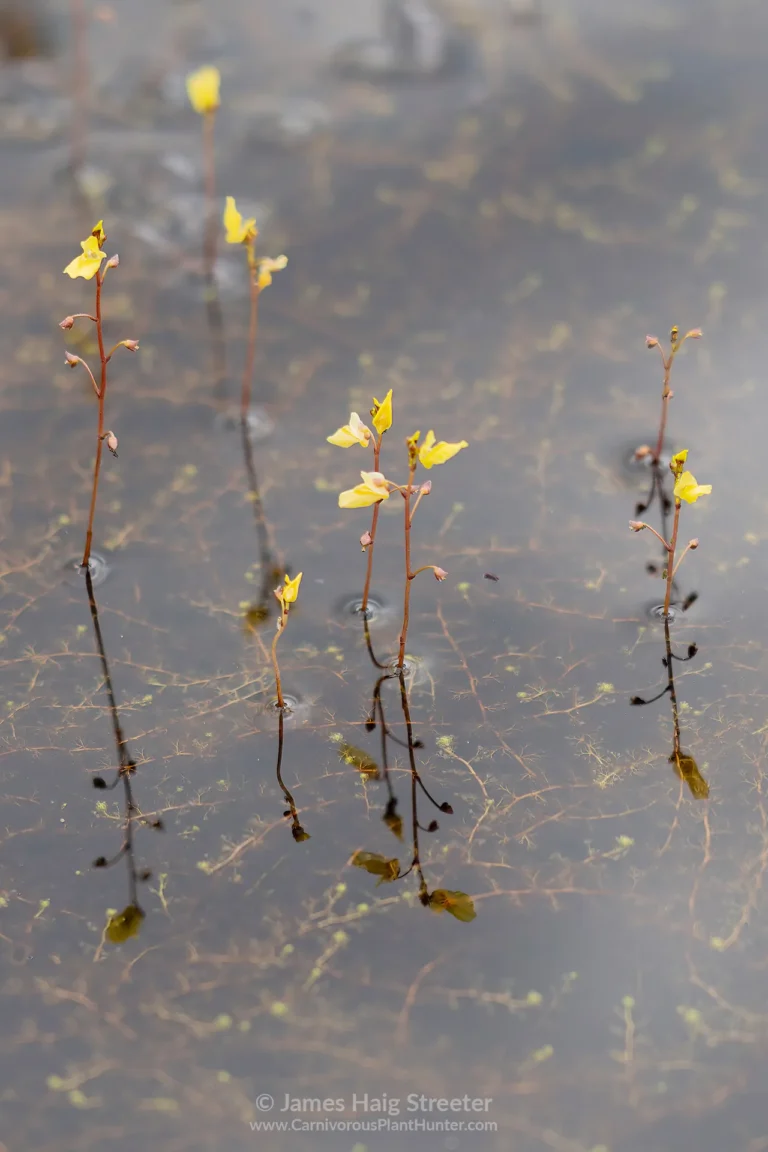
Utricularia minor – Thursley Common, UK
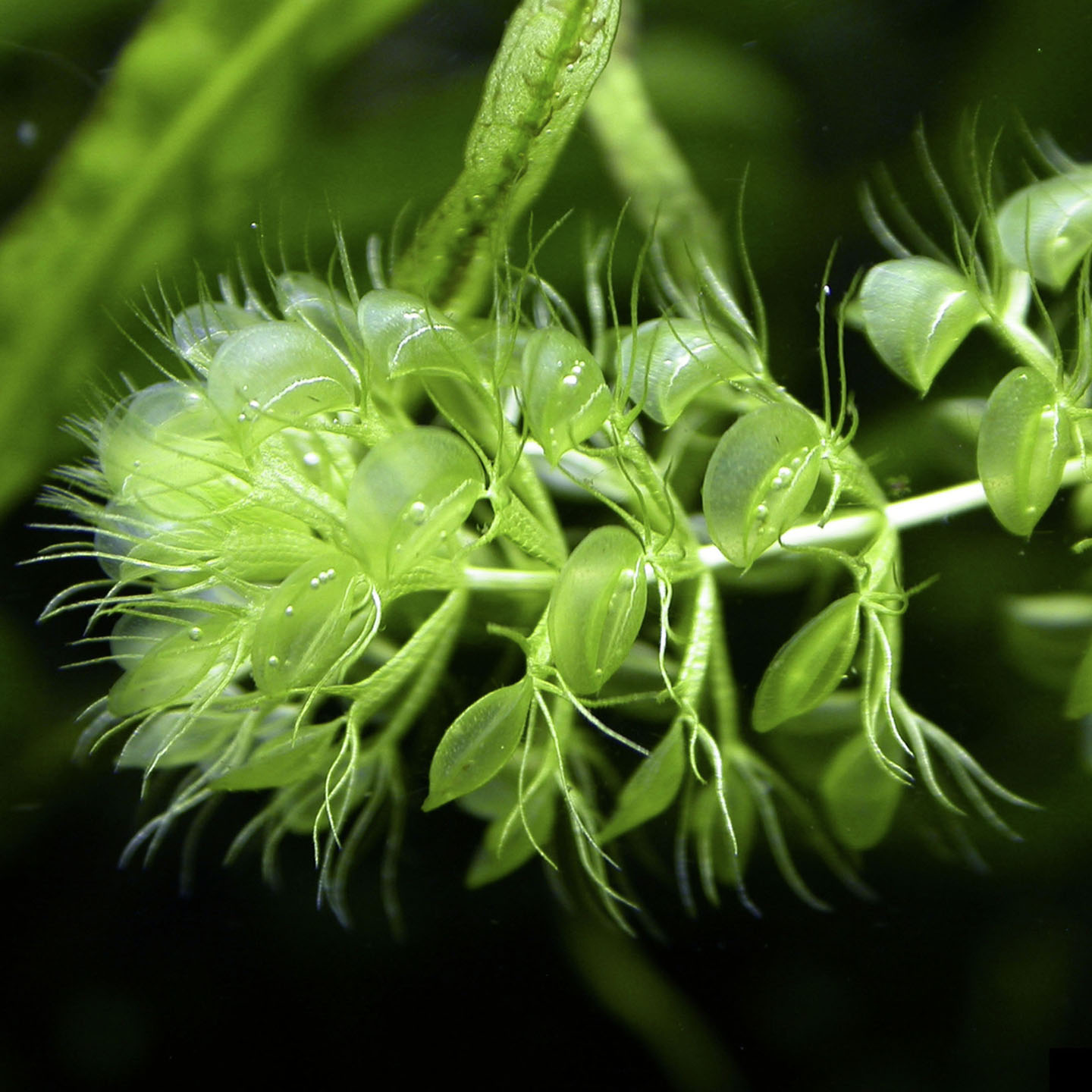
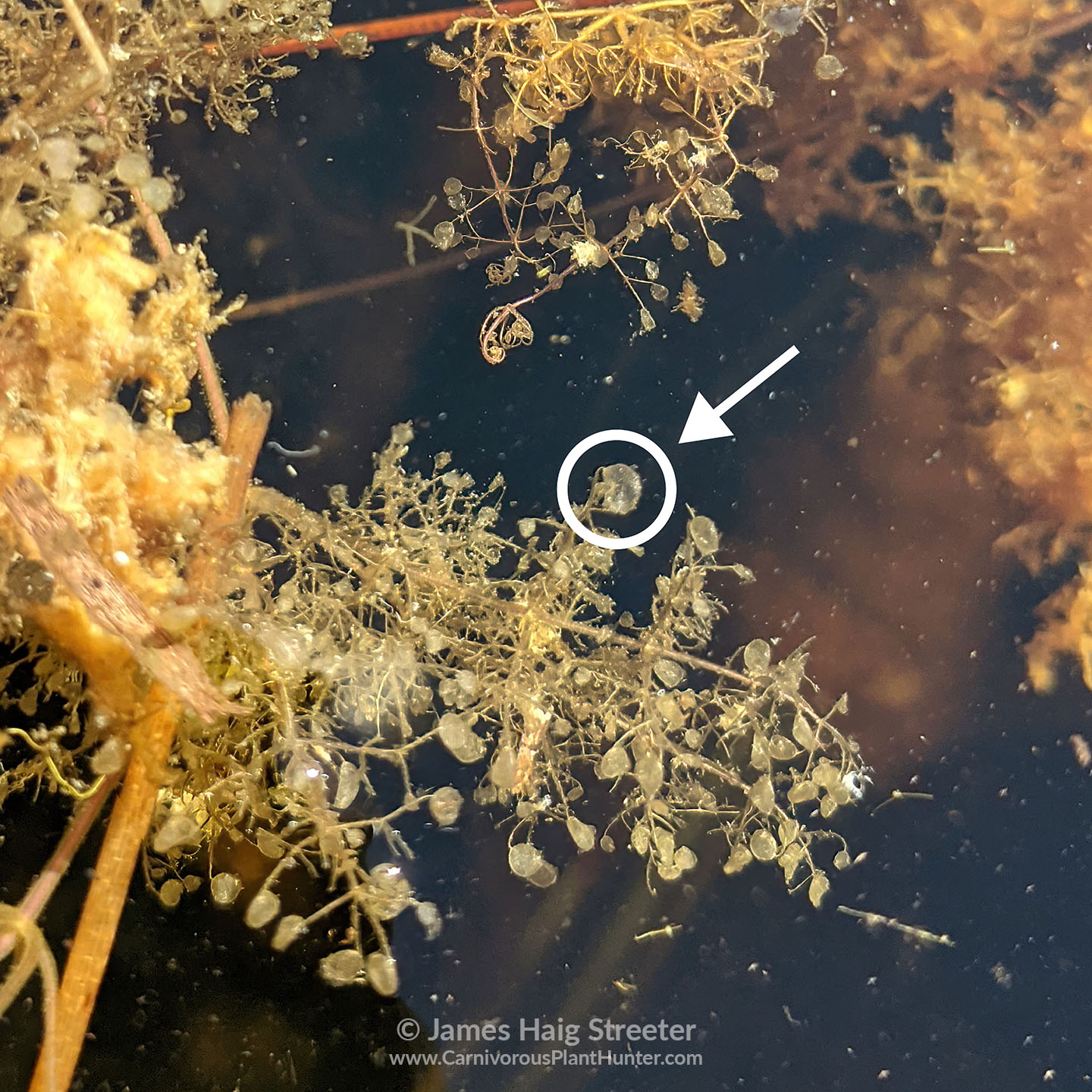
At Thursley Common, dragonfly nymphs share their submerged food web with Utricularia minor, a hidden bladderwort whose vacuum-powered traps fire faster than the feeding strike of any known freshwater hunter.

Carnivorous plants are plants that attract, capture, digest, and absorb nutrients from animal prey. They still photosynthesize like other plants, but in nutrient-poor habitats they supplement their growth by feeding on insects and other small animals — with some occasionally catching rodents.
These are among the strangest and most revealing plants on Earth, growing in places where ordinary plant strategies often struggle.
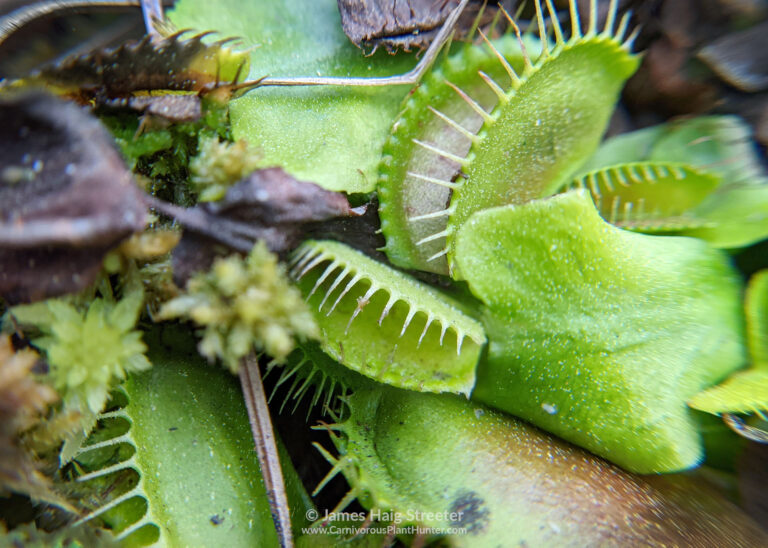
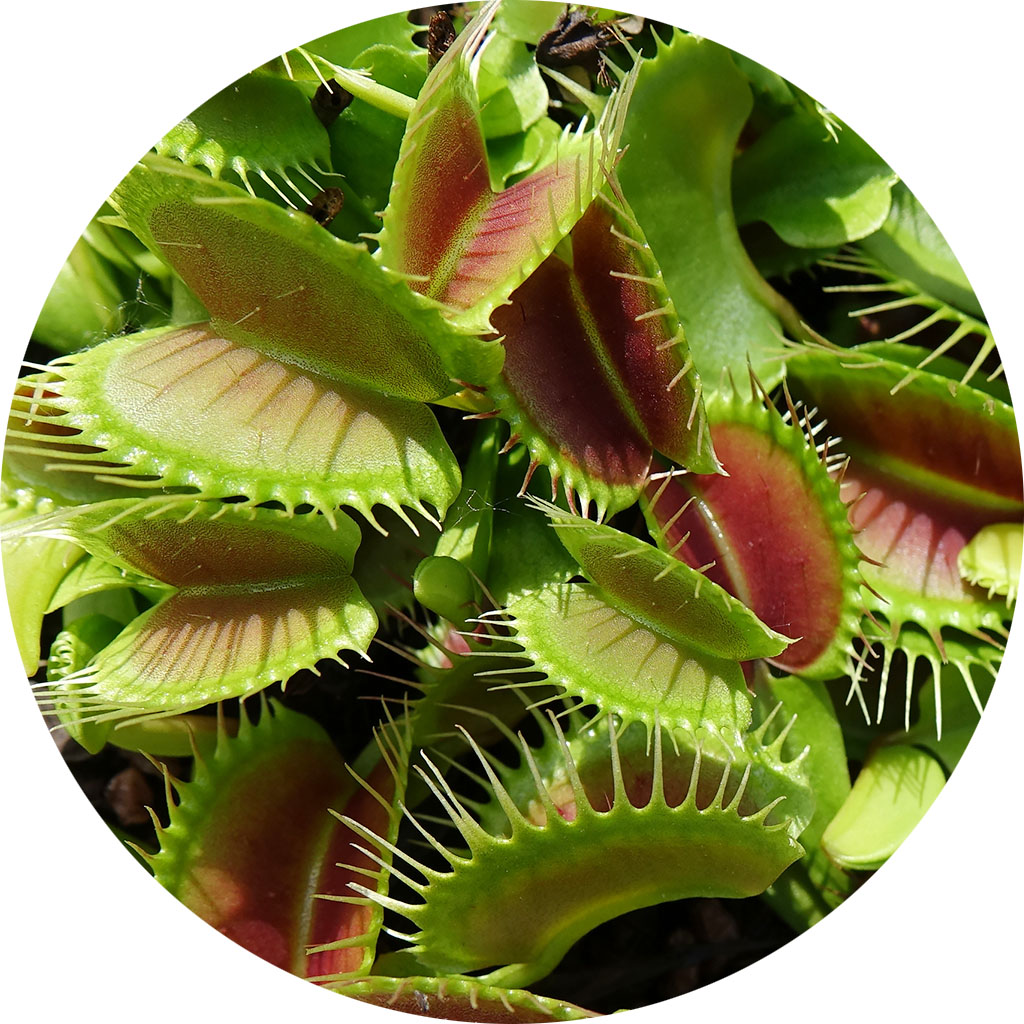
Dionaea (Venus flytrap)
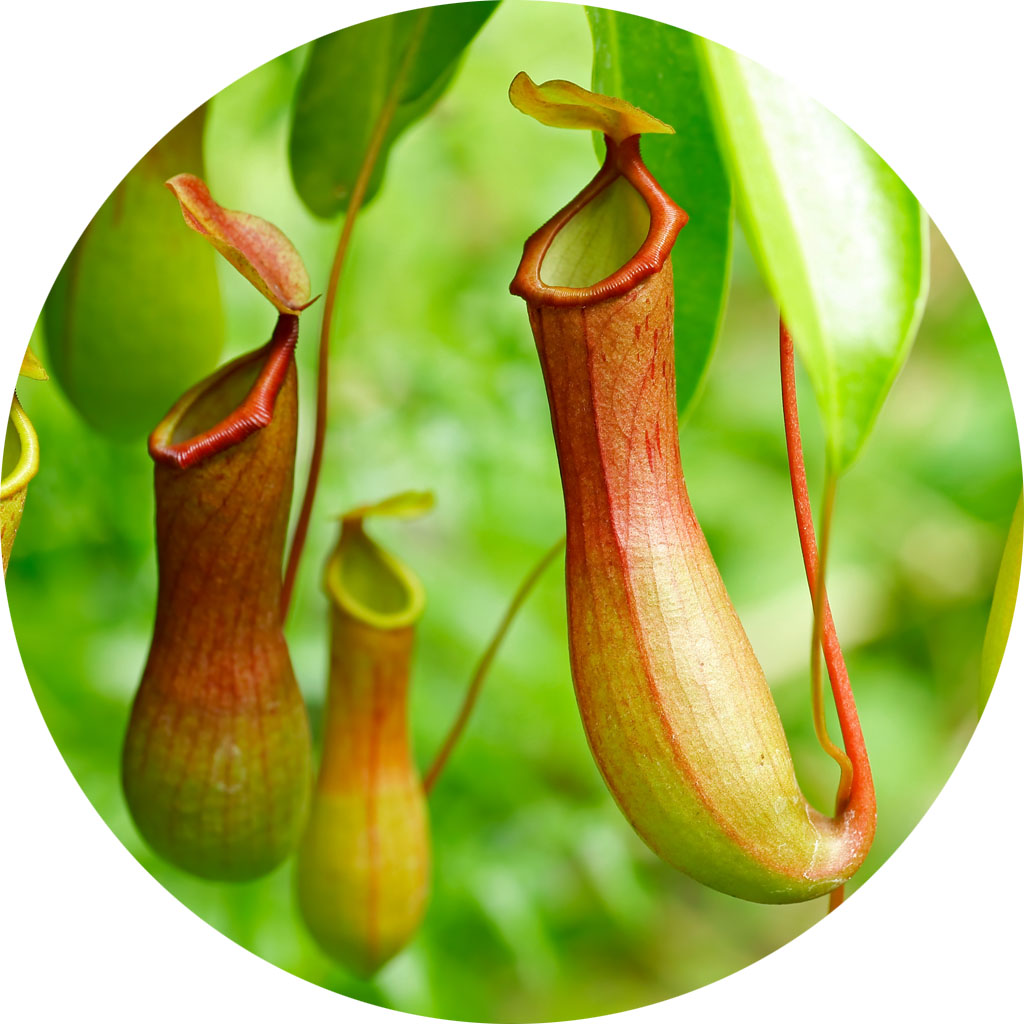
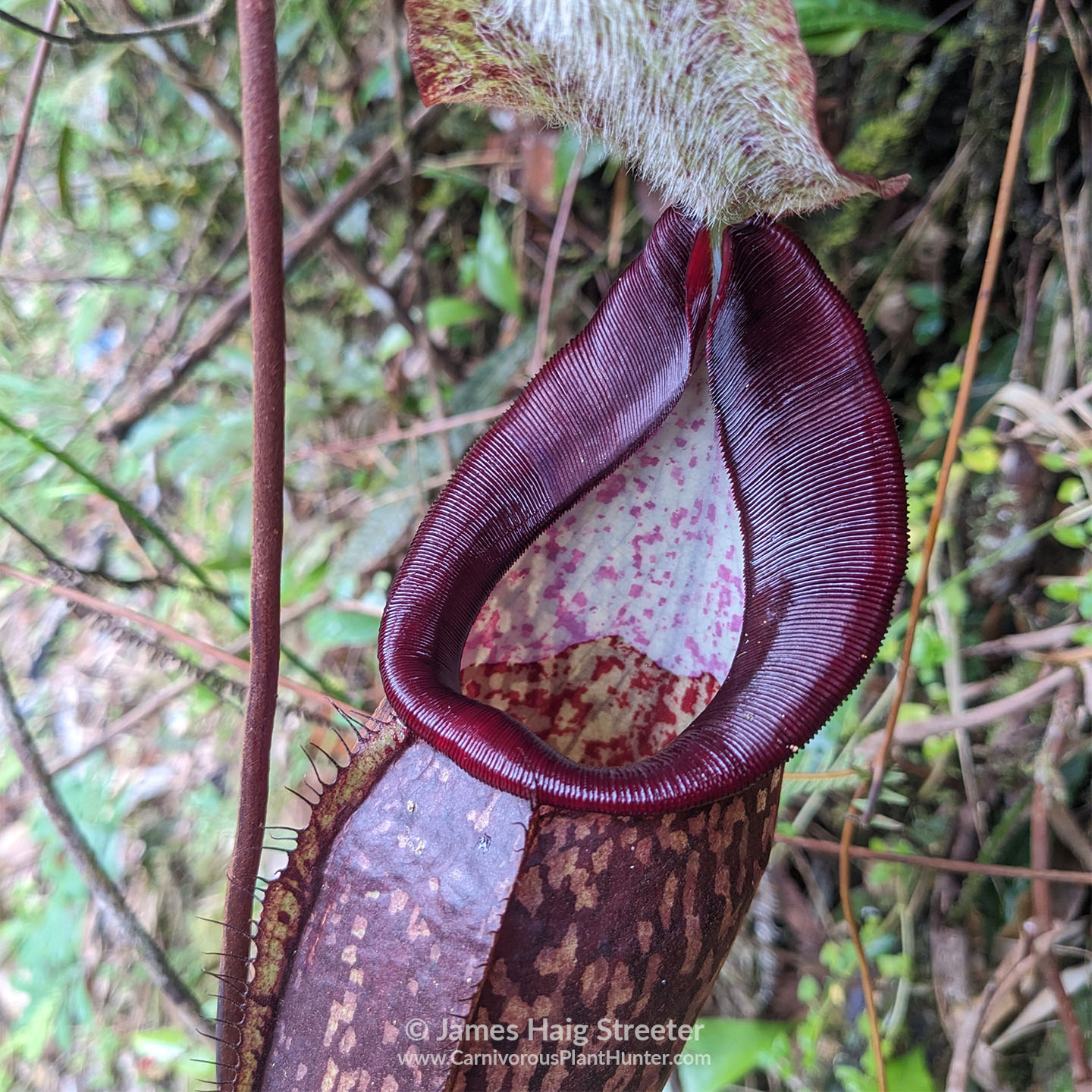
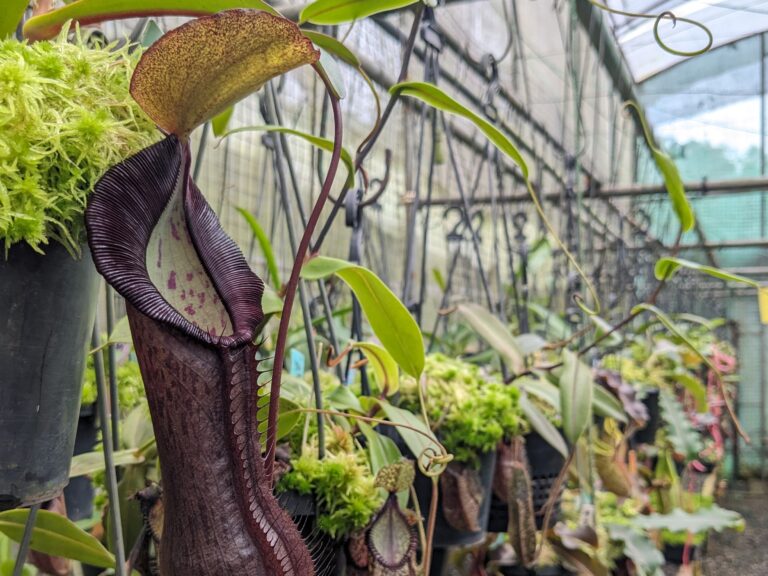
Nepenthes (tropical pitcher plant)
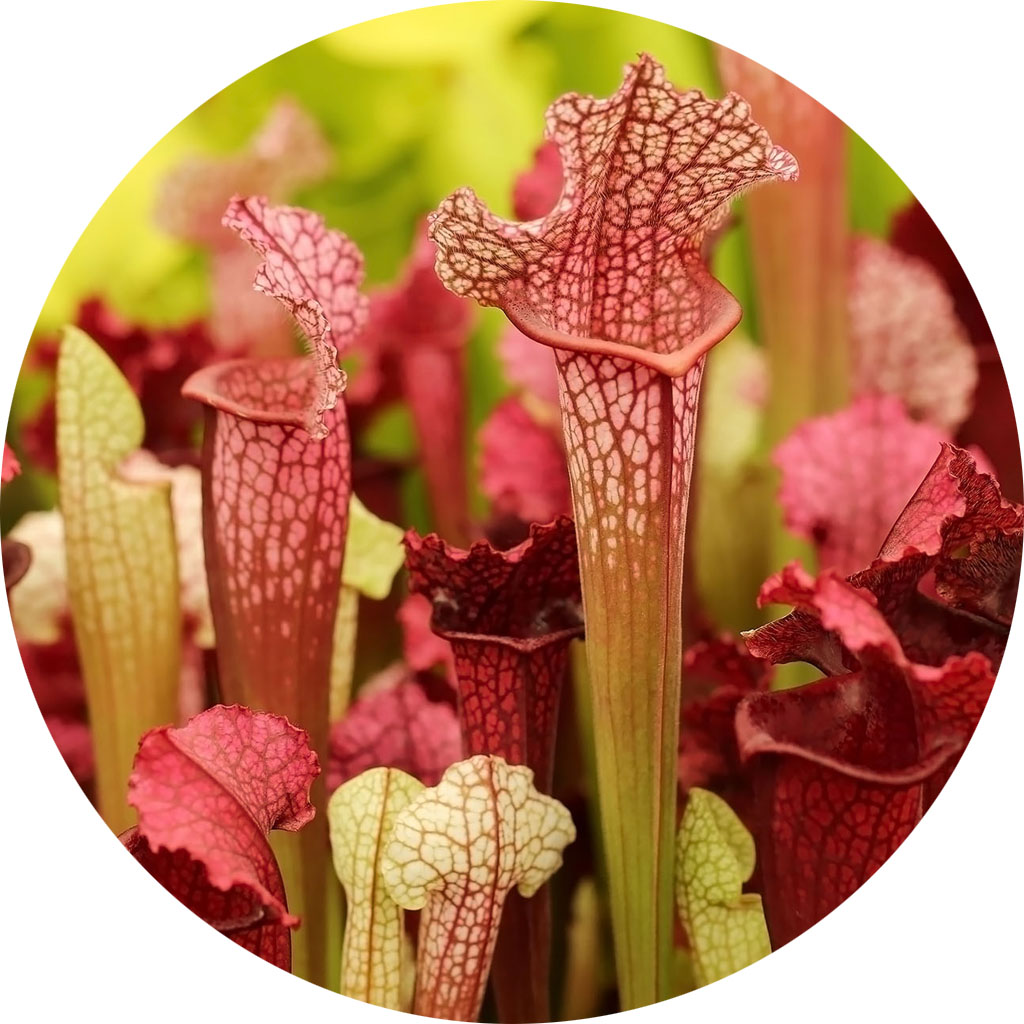
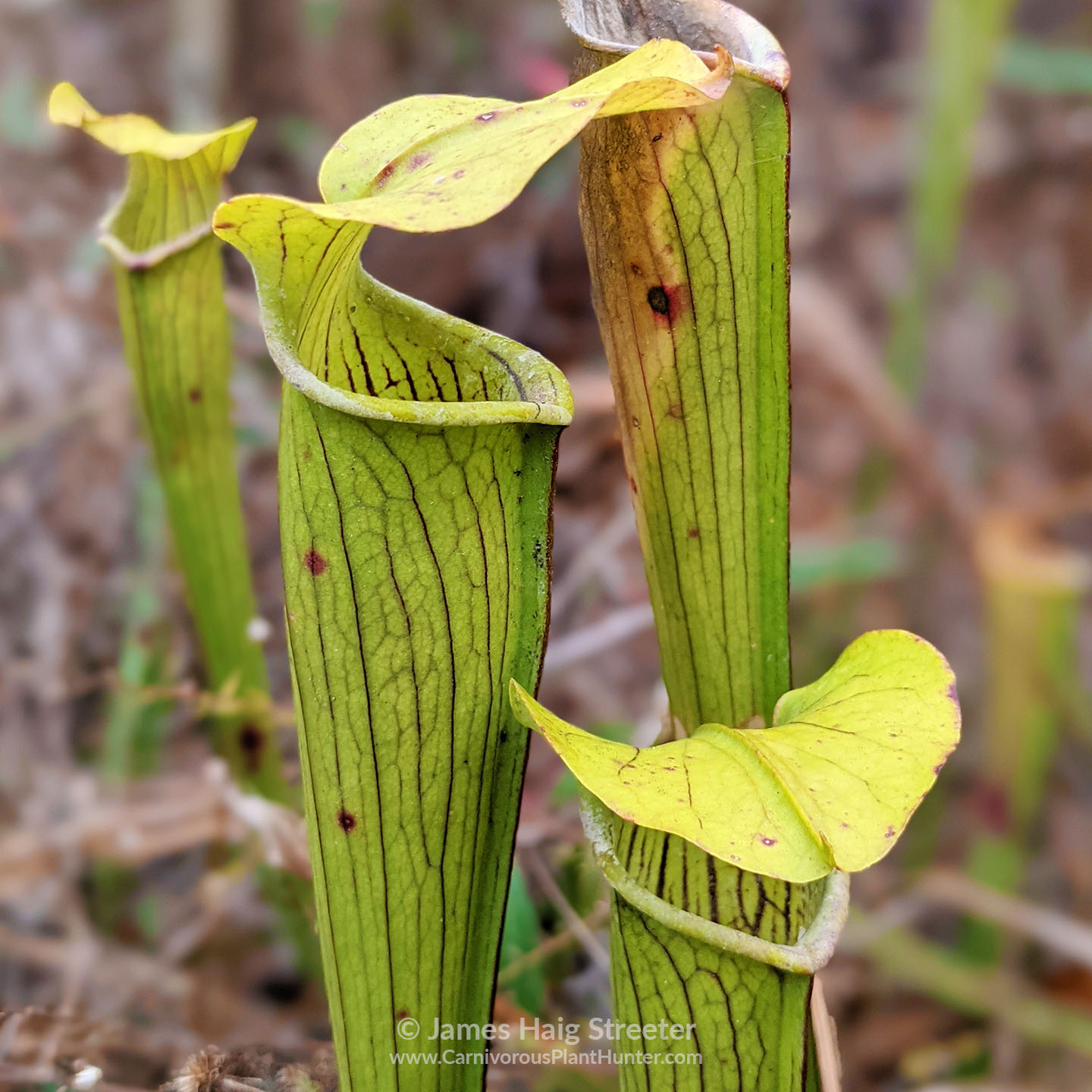
Sarracenia (trumpet pitcher plant)
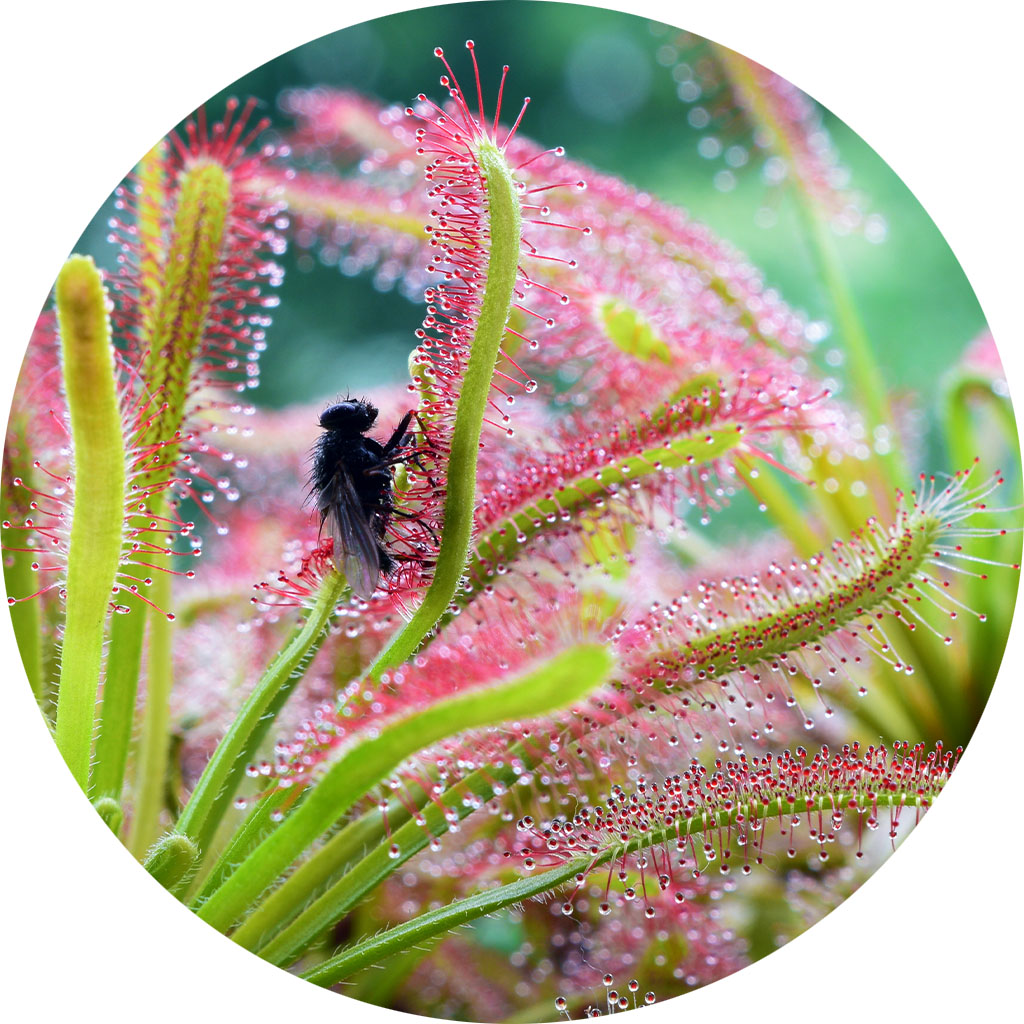
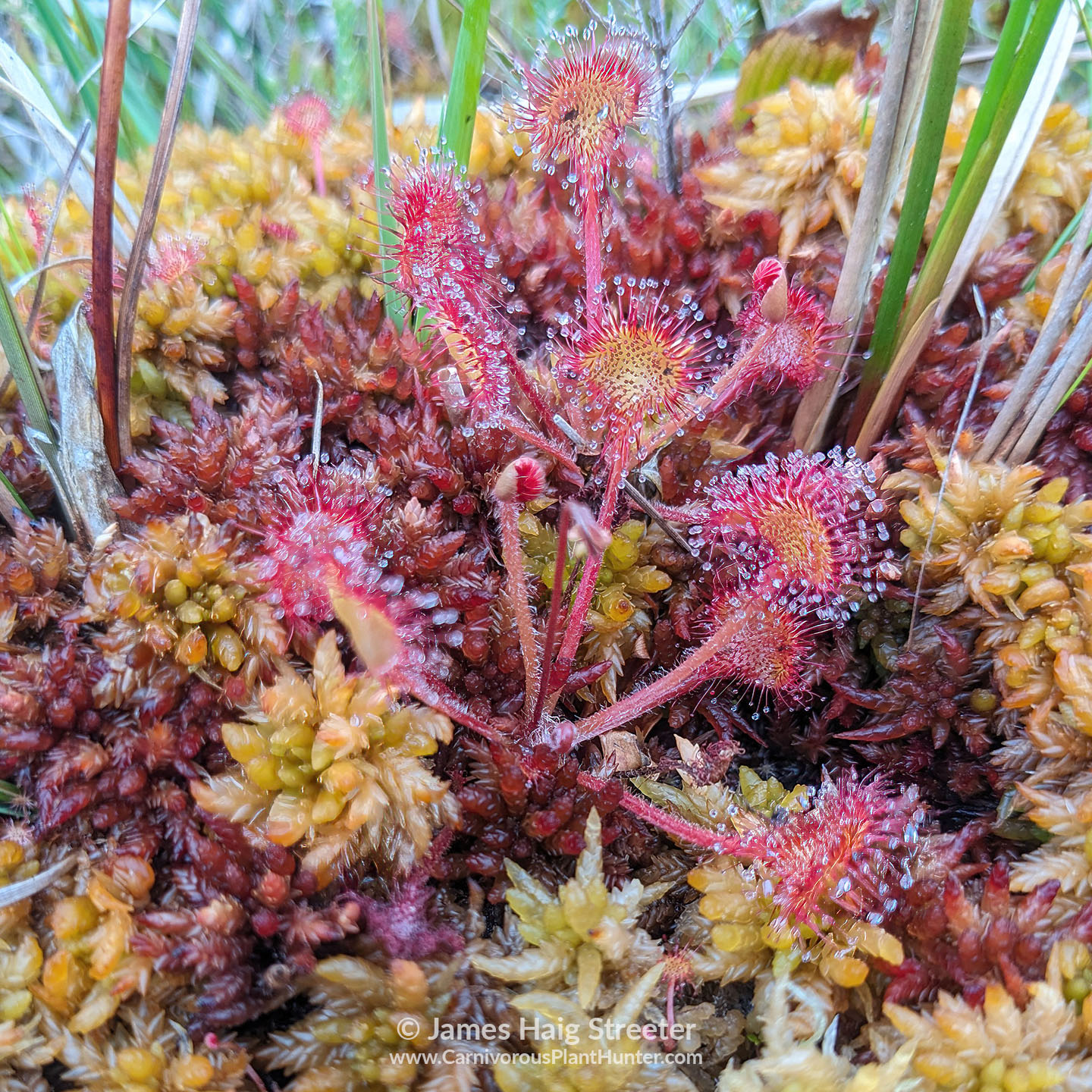
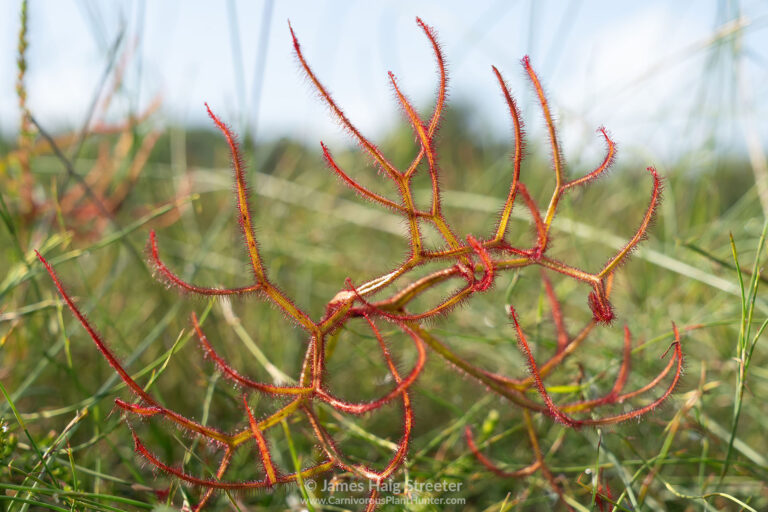
Drosera (sundew)
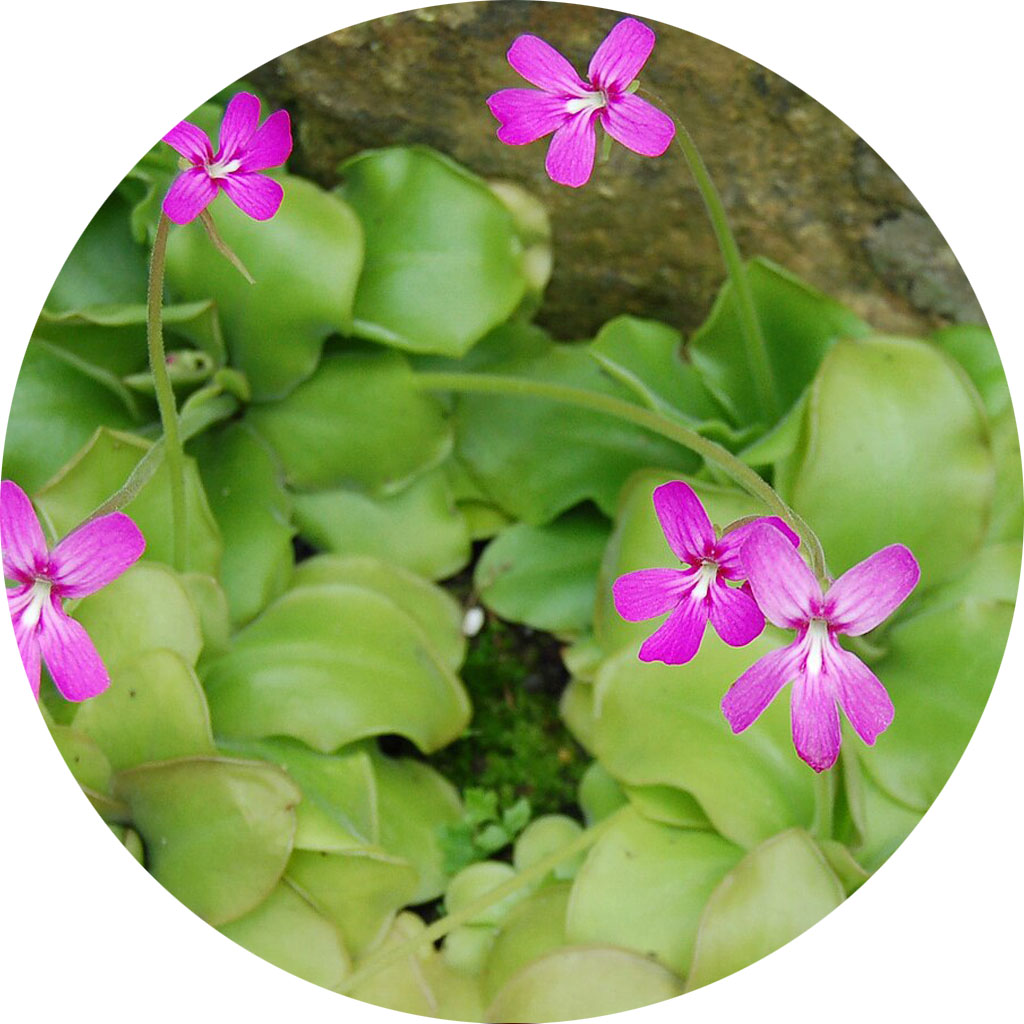
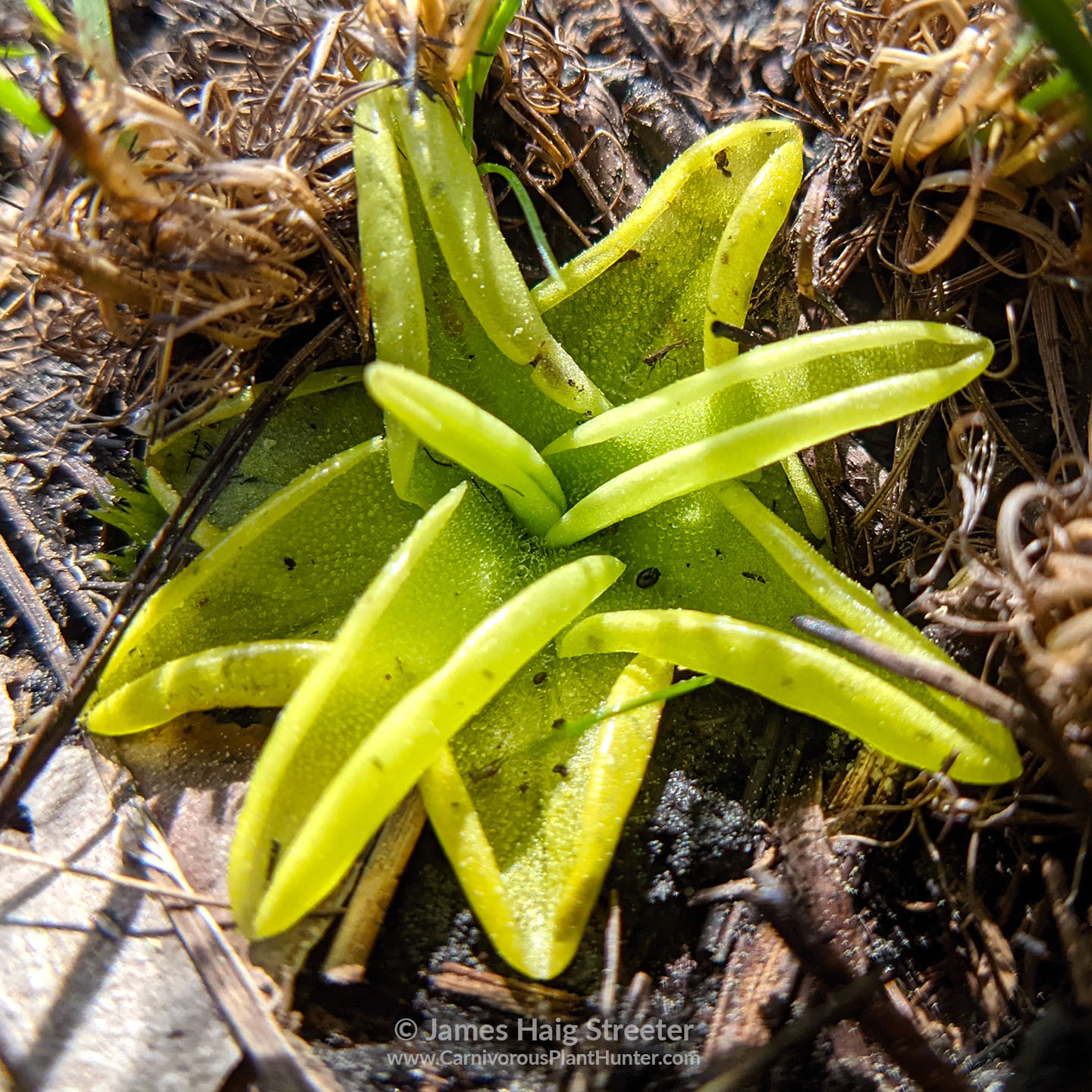
Pinguicula (butterwort)
A Venus flytrap snapping shut, a pitcher plant holding drowned insects, or a sundew glittering with sticky drops may look like a curiosity at first. But each one points back to something larger: the habitat it comes from, the pressures that shaped it, and the remarkable ways plants can adapt when survival depends on more than roots alone.
This introduction answers five questions that explain the world of carnivorous plants: where they live, how many types there are, whether they evolved from a single ancestor, whether they are truly predators, and how their traps work.
Once those basics begin to make sense, carnivorous plants stop feeling like isolated oddities. They become a lens — a way to see habitat, adaptation, evolution, and the wider natural world more clearly.
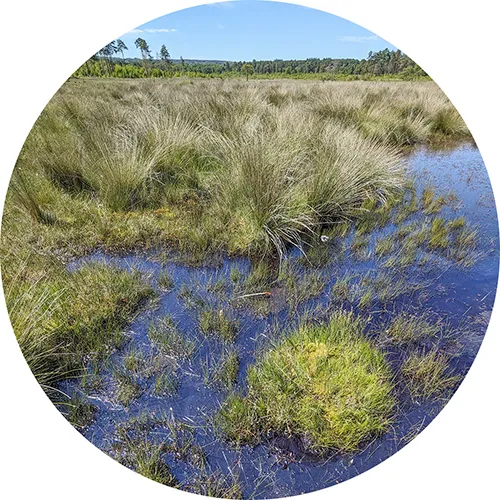
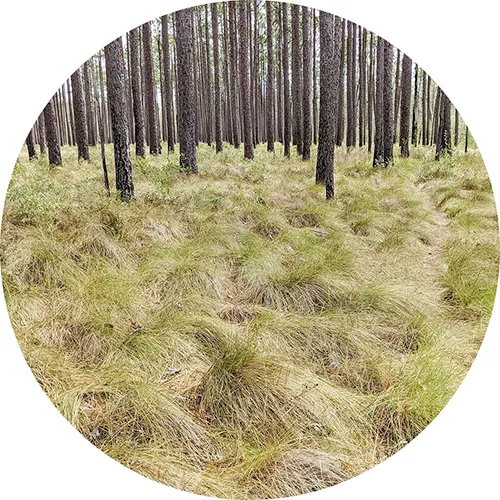
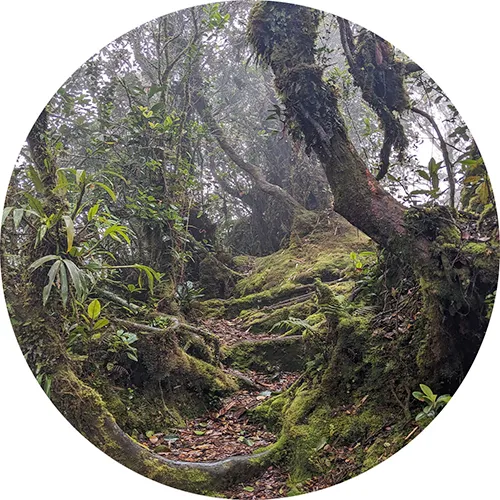
Carnivorous plants typically grow in nutrient-poor soils — often in waterlogged environments such as bogs and marshlands. Their unusual feeding strategies developed as a way to survive in these challenging conditions.
Bogs and Marshland
(Drosera, Pinguicula)
Longleaf Pine Savannah
(Flytraps/Dionaea, Sarracenia)
Jungle and Cloud Forest
(Nepenthes)
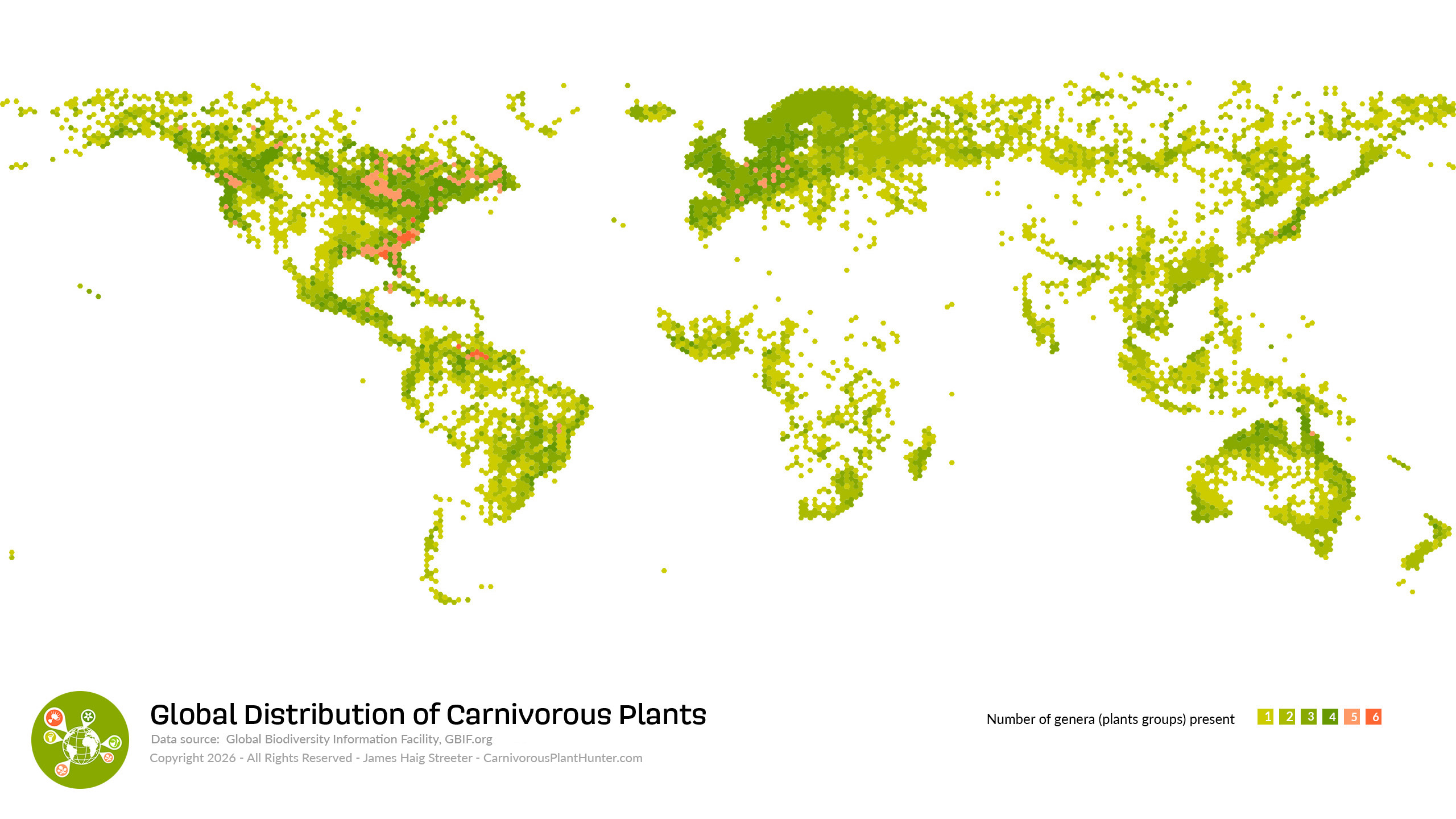
“Carnivorous plants grow on every continent except Antarctica — their global distribution reflects the very shapes of the land.”
Global Distribution of Carnivorous Plants
[Click to expand to full-screen] Map created by overlying the distribution of all carnivorous plant genera. Data source: Global Biodiversity Information Facility, GBIF.org // Image credit: James Haig Streeter – CarnivorousPlantHunter.com
This map highlights not only where carnivorous plants live, but also the regions where multiple genera (plant groups) overlap — the “red zones” of the carnivorous plant world. These areas are often highly diverse in plant types, even if they are not the most species-rich.
By contrast, places like Southeast Asia and Australia are home to many species from only a few genera, while North Carolina — home of the Venus flytrap — sits within one of the largest red zones on Earth.
So what does this mean for explorers like you?
There are opportunities to see carnivorous plants in the wild all around the world — often much closer to home than you’d expect.
To pinpoint specific species and plan your own adventure, explore the Plant Map or dive into the Explorer Guides for in-depth notes, photographs, field observations, and stories from the wild.
Carnivorous plants belong to 19 genera (or plant types), spread across 12 families and 6 distinct plant orders. Some groups contain hundreds of species, while others are represented by just a single member — including Dionaea, whose only species is the famous Venus flytrap.
“In total, there are around 850 known species worldwide, representing just 0.2% of all flowering plants.”
Percentage of flowering plants that are carnivorous.
Approximate number of carnivorous species.
Number of genera or groups of carnivorous plants.
Number of genera with just 1 member.
Percentage of plants belonging to the 4 largest genera.
Percentage of flowering plants that are carnivorous.
Approximate number of carnivorous species.
Number of genera or groups of carnivorous plants.
Percentage of plants belonging to the 4 largest genera.
Curious to see how all of these groups fit together? Explore the full breakdown below…
Key Facts:
Taxonomy: All plant species belong to a genus (a plant group or type), which is grouped into a family. Families are organised into larger plant orders.
Plant types: There are currently 19 genera of carnivorous plants, belonging to 12 families and 6 plant orders.
Largest groups: Around 91% of carnivorous plants belong to just four genera:
Drosera (sundews)
Nepenthes (tropical pitcher plants)
Pinguicula (butterworts)
Utricularia (bladderworts)
Smallest groups: Seven genera are monotypic – contain only one species. This includes Dionaea, with its sole member: the Venus flytrap.
Proto-carnivores: Some plants show partial carnivorous behaviour but lack all the defining traits.
For example, European teasels (Dipsacus spp.) absorb nutrients from insects that drown in water held at their leaf bases, but they do not actively lure or capture them — making these plants opportunists rather than predators.
Total species: New species are still being discovered, so the estimated total of 850+ may grow as botanists continue to explore the world’s habitats.
As new species are discovered and scientific understanding evolves, the categories in which plants are placed can also change over time. The following list therefore reflects the current understanding of the carnivorous plant group.
Order
Family
Genus
Species
Families containing 100% carnivorous plant members:
Caryophyllales
Droseraceae
Aldrovanda (waterwheel plant)
1
–
–
Dionaea (Venus flytrap)
1
–
–
Drosera (sundew)
247+
–
Drosophyllaceae
Drosophyllum (dewy pine)
1
–
Nepenthaceae
Nepenthes (tropical pitcher plant)
192+
Ericales
Roridulaceae
Roridula
2
–
Sarraceniaceae
Darlingtonia (Cobra lily)
1
–
–
Heliamphora (marsh pitcher plant)
23+
–
–
Sarracenia (trumpet pitcher plant)
8
Lamiales
Byblidaceae
Byblis (rainbow plant)
8+
–
Lentibulariaceae
Genlisea (corkscrew plant)
29+
–
–
Pinguicula (butterwort)
105+
–
–
Utricularia (bladderwort)
233+
Oxalidales
Cephalotaceae
Cephalotus (Albany pitcher plant)
1
Families containing only some carnivorous plant members:
Alismatales
Tofieldiaceae
Triantha
1
Caryophyllales
Dioncophyllaceae
Triphyophyllum
1
Lamiales
Plantaginaceae
Philcoxia
7
Poales
Bromeliaceae
Brocchinia
2+
–
–
Catopsis
1+
Proto-carnivorous plants – exhibiting some traits of true carnivorous plants but not all:
Asterales
Stylidiaceae
Stylidium (trigger plant)
200+
Dipsacales
Caprifoliaceae
Dipsacus (teasel)
15
Lamiales
Martyniaceae
Ibicella (devil’s claw plant)
1+
–
–
Proboscidea (devil’s claw plant)
2+
Poales
Eriocaulaceae
Paepalanthus
1+
References:
Fleck, S. and Jobson, R. (2023), ‘Molecular Phylogenomics Reveals the Deep Evolutionary History of Carnivory across Land Plants‘; https://doi.org/10.3390/plants12193356
–
McPherson, S. (2023), ‘Nepenthes, The Tropical Pitcher Plants, Volume 1’, p.16, Redfern Natural History Productions
Key Facts:
Taxonomy: All plant species belong to a genus (a plant group or type), which is grouped into a family. Families are organised into larger plant orders.
Plant types: There are currently 19 genera of carnivorous plants, belonging to 12 families and 6 plant orders.
Largest groups: Around 91% of carnivorous plants belong to just four genera:
Drosera (sundews)
Nepenthes (tropical pitcher plants)
Pinguicula (butterworts)
Utricularia (bladderworts)
Smallest groups: Seven genera are monotypic – contain only one species. This includes Dionaea, with its sole member: the Venus flytrap.
Proto-carnivores: Some plants show partial carnivorous behaviour but lack all the defining traits.
For example, European teasels (Dipsacus spp.) absorb nutrients from insects that drown in water held at their leaf bases, but they do not actively lure or capture them — making these plants opportunists rather than predators.
Total species: New species are still being discovered, so the estimated total of 850+ may grow as botanists continue to explore the world’s habitats.
As new species are discovered and scientific understanding evolves, the categories in which plants are placed can also change over time. The following list therefore reflects the current understanding of the carnivorous plant group.
Families containing 100% carnivorous plant members:
[Each genera has its own icon, with the number of species within each being shown.]
Order: Caryophyllales
Family: Droseraceae
Aldrovanda (waterwheel plant)
1
Dionaea (Venus flytrap)
1
Drosera (sundew)
247+
Family: Drosophyllaceae
Drosophyllum (dewy pine)
1
Family: Nepenthaceae
Nepenthes (tropical pitcher plant)
192+
Order: Ericales
Family: Roridulaceae
Roridula
2
Family: Sarraceniaceae
Darlingtonia (Cobra lily)
1
Heliamphora (marsh pitcher plant)
23+
Sarracenia (trumpet pitcher plant)
8
Order: Lamiales
Family: Byblidaceae
Byblis (rainbow plant)
8+
Family: Lentibulariaceae
Genlisea (corkscrew plant)
29+
Pinguicula (butterwort)
105+
Utricularia (bladderwort)
233+
Order: Oxalidales
Family: Cephalotaceae
Cephalotus (Albany pitcher plant)
1
Families containing only some carnivorous plant members:
Order: Alismatales
Family: Tofieldiaceae
Triantha
1
Order: Caryophyllales
Family: Dioncophyllaceae
Triphyophyllum
1
Order: Lamiales
Family: Plantaginaceae
Philcoxia
7
Order: Poales
Family: Bromeliaceae
Brocchinia
2+
Catopsis
1+
Proto-carnivorous plants – exhibiting some traits of true carnivorous plants but not all:
Order: Asterales
Family: Stylidiaceae
Stylidium (trigger plant)
200+
Order: Dipsacales
Family: Caprifoliaceae
Dipsacus (teasel)
15
Order: Lamiales
Family: Martyniaceae
Ibicella (devil’s claw plant)
1+
Proboscidea (devil’s claw plant)
2+
Order: Poales
Family: Eriocaulaceae
Paepalanthus
1+
References:
Fleck, S. and Jobson, R. (2023), ‘Molecular Phylogenomics Reveals the Deep Evolutionary History of Carnivory across Land Plants‘; https://doi.org/10.3390/plants12193356
–
McPherson, S. (2023), ‘Nepenthes, The Tropical Pitcher Plants, Volume 1’, p.16, Redfern Natural History Productions
Surprisingly, most carnivorous plants are not closely related at all.
Many groups that look alike developed their predatory strategies independently — an example of unrelated plants adapting to comparable environmental challenges.
Carnivorous traits such as trapping, digesting, and absorbing nutrients appear across multiple, unrelated plant groups. This makes carnivory one of the clearest demonstrations of how nature can arrive at remarkably similar solutions in very different places: a process known as convergent evolution.
“…some genera that appear very similar, …are in fact as distantly related as humans are to flatworms.”
For a closer look at how this happens — and why so many carnivorous plants resemble one another despite distant ancestry — explore the deeper dive below.
Take a deeper dive…
Convergent evolution is the process by which unrelated organisms develop similar strategies to solve the same problem. In carnivorous plants, predatory traits emerged in different plant lineages as they adapted to nutrient-poor environments. For this reason, some carnivorous plants may look alike, but are only distantly related.
For instance, Nepenthes (tropical pitcher plants) and Cephalotus (Albany pitcher plant) both use pitfall traps, yet they are separated by a vast evolutionary distance — roughly equivalent to the gap between humans and flatworms. Their shared features are not inherited from a common carnivorous ancestor but arose independently in response to similar environmental pressures.
Traits associated with true carnivory — such as prey attraction, capture, digestion, and nutrient absorption — have appeared multiple times across the plant kingdom. This independent emergence makes carnivorous plants one of the most dramatic examples of convergent evolution in nature.
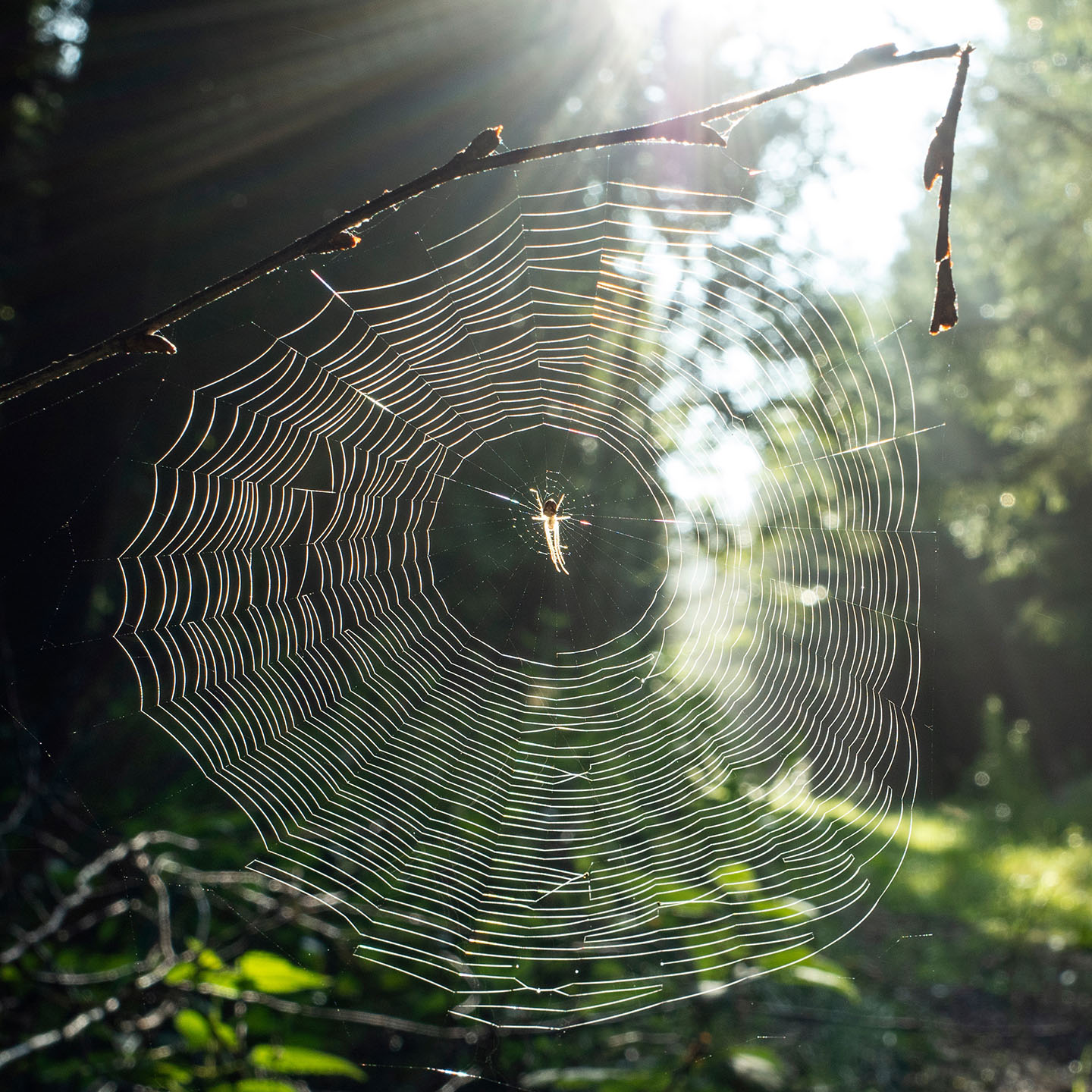
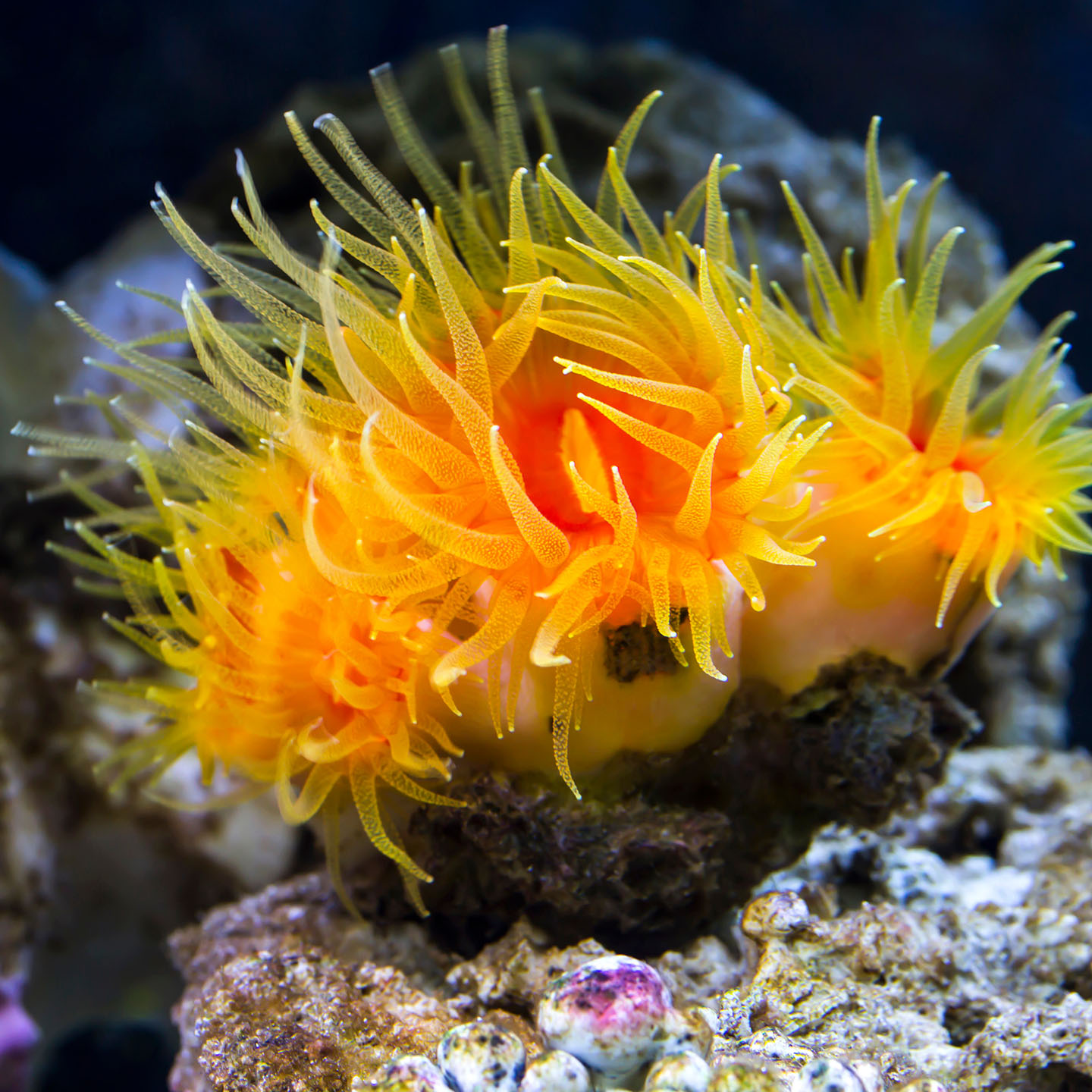
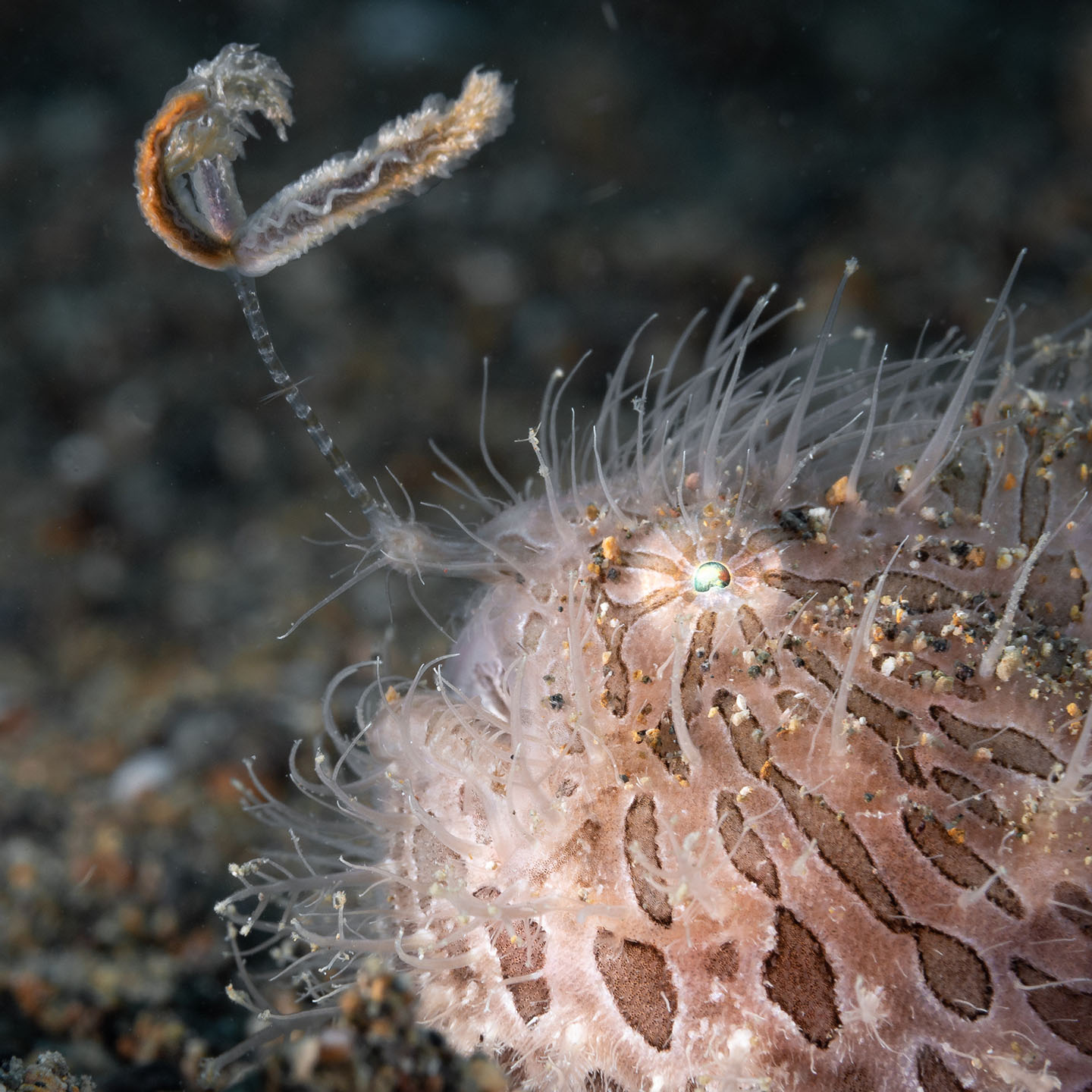
It may seem unlikely that a plant rooted to the ground could truly be a predator — but many creatures use the same “sit-and-wait” strategy. Spiders build webs, sea anemones hold out stinging tentacles, and anglerfish lure prey close before striking. All rely on patience rather than speed.
Carnivorous plants work the same way. They attract, capture, and digest their prey using traps that have evolved with great precision — some simple, others surprisingly sophisticated.
“…just like their sit-and-wait animal counterparts, carnivorous plants are predators in the truest sense.”
Learn more…
To be considered carnivorous, a plant must do more than accidentally catch insects. True carnivory requires five steps:
Attraction: Attract prey through specialized traits such as scent, nectar, color, or movement.
Capture: Immobilize the victim using specialized structures.
Digestion: Break down prey using plant enzymes, associated microbes, or other digestive partners, depending on the species.
Absorption: Absorb the digested nutrients into the plant tissues.
Some species, known as proto-carnivores, do only part of this.
For example, European teasels (Dipsacus spp.) absorb nutrients from insects that drown in water held at the leaf bases, but they do not actively lure or digest them — making them opportunists rather than predators.
Carnivorous plants, by contrast, have specialized structures that have specifically evolved for efficient predation.
Some rely on flypaper traps or pitfall traps, while others — like the bladderworts (Utricularia) — use suction traps that snap shut faster than an anglerfish strikes, making them among the fastest predators on Earth.
If it still seems strange that a stationary organism can be an effective hunter, consider the silent efficiency of a spider’s web: unmoving, yet deadly — and perfectly adapted to the task.
Reference: Vincent, O. et al. (2011) Ultra-fast underwater suction traps. Proceedings of the Royal Society B. https://doi.org/10.1098/rspb.2010.2292
Carnivorous plants use a remarkable range of trapping methods — from simple sticky leaves to highly specialized mechanisms that act in a fraction of a second. Although each genus has its own variations, their traps fall into five main categories: flypaper traps, pitfall traps, snap traps, suction traps, and lobster-pot traps.
Explore each trap type below to see how these extraordinary plants attract, capture, and feed on their prey.
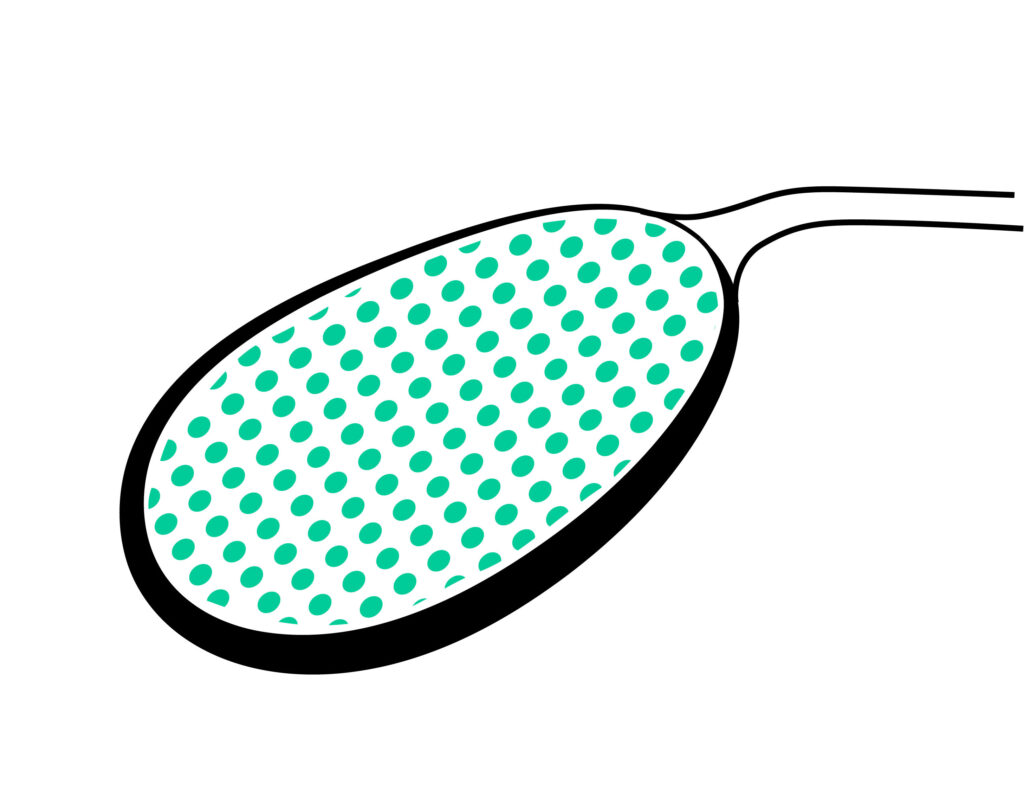
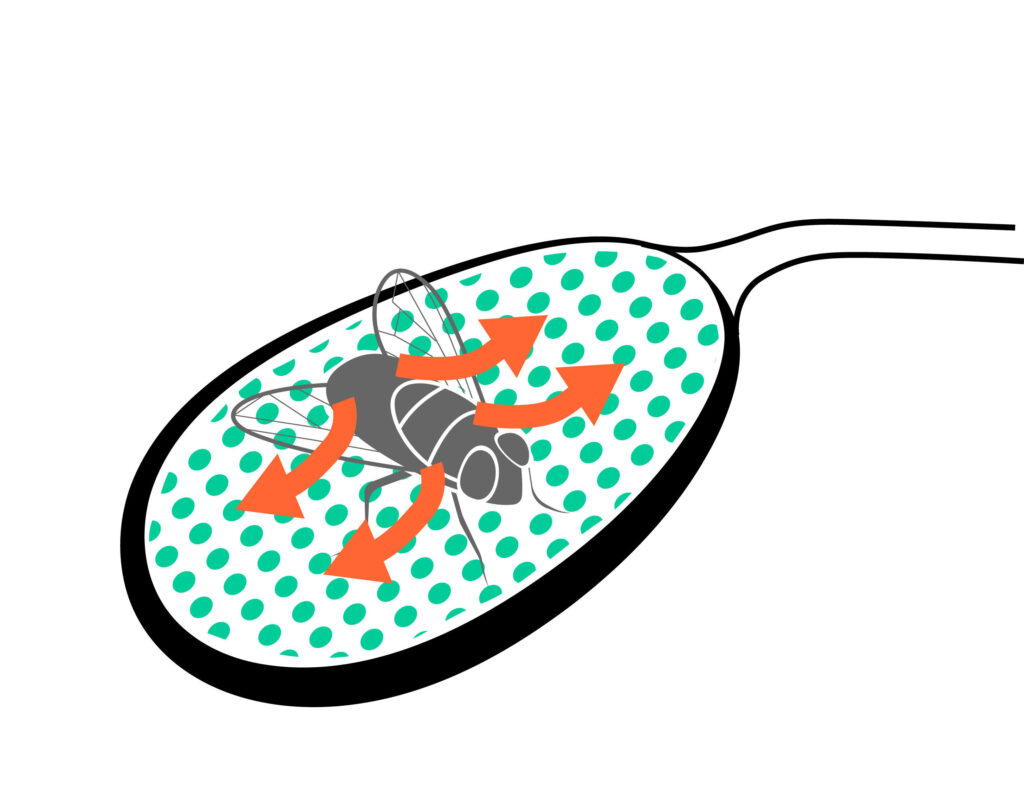
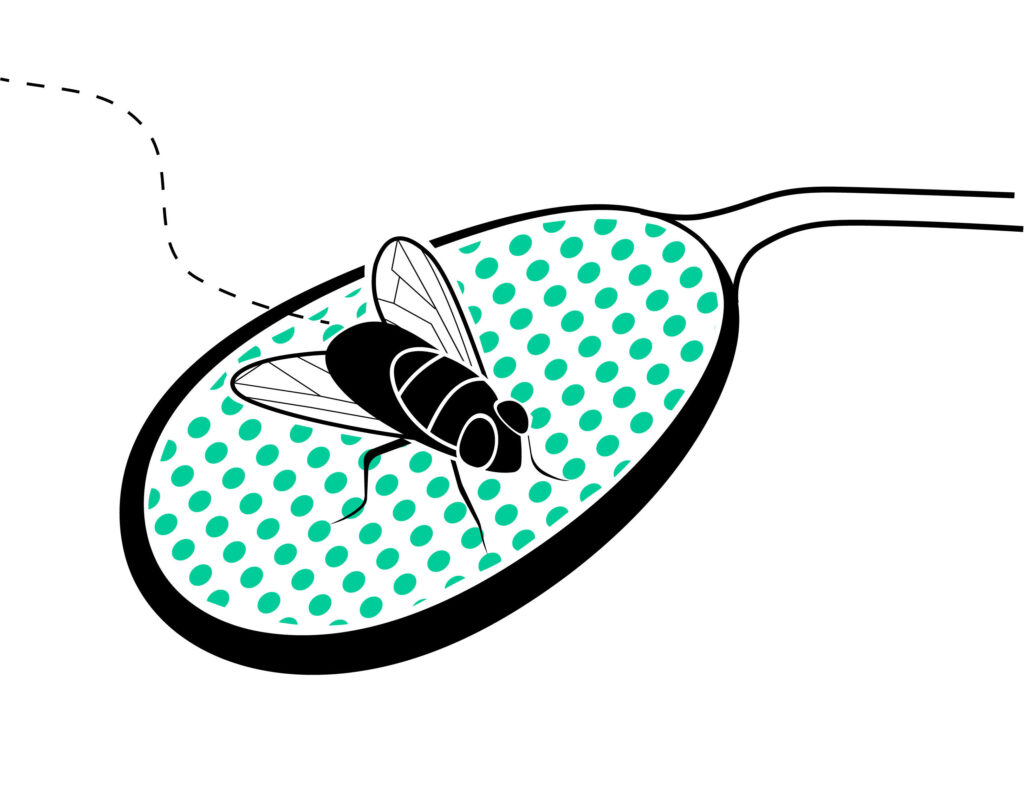
The simplest and most widespread trap type. Genera using this method include Drosera (sundews), Pinguicula (butterworts), Drosophyllum (dewy pine), and Byblis (rainbow plants). These traps rely on sticky glandular surfaces to capture insects, with some species being able to move slowly to further secure their prey.
1. Sticky leaves trap insects on contact, in a similar way to a spider’s web.
2. Enzymes secreted by the leaf digest its prey, which the plant then absorbs.
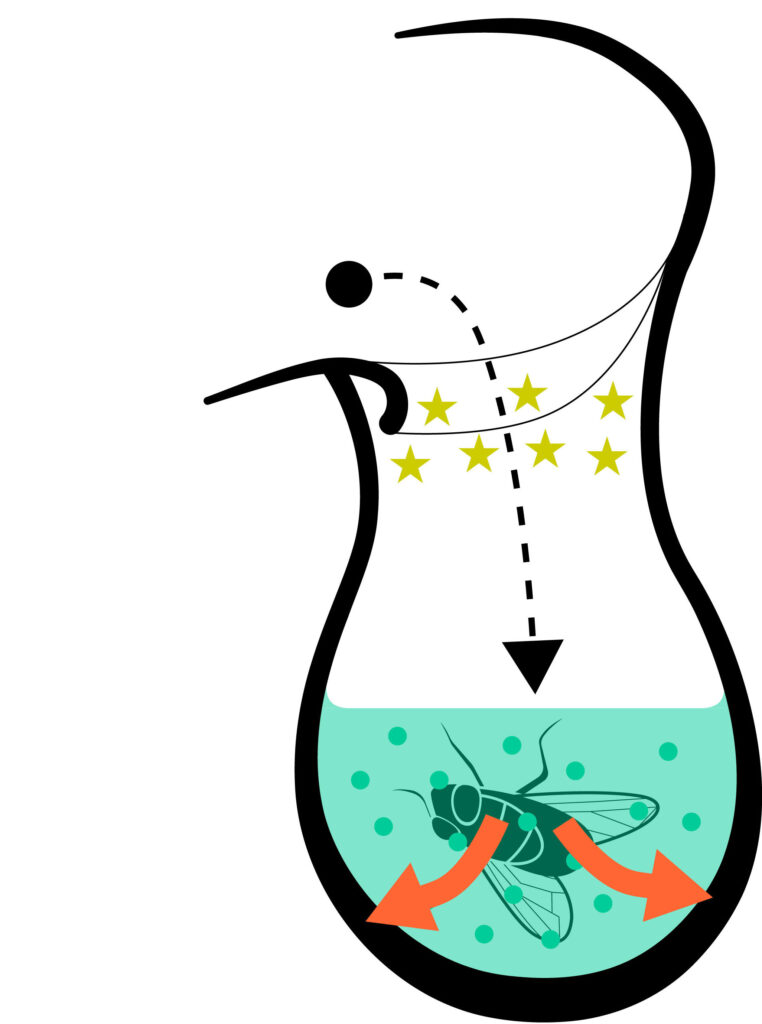
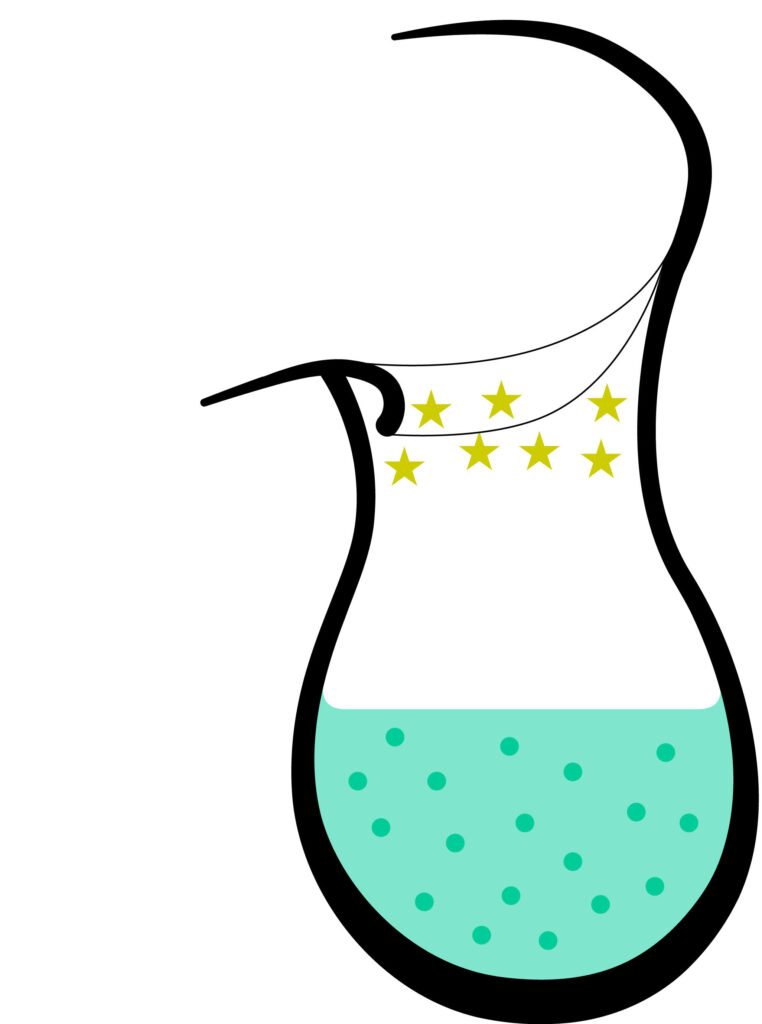
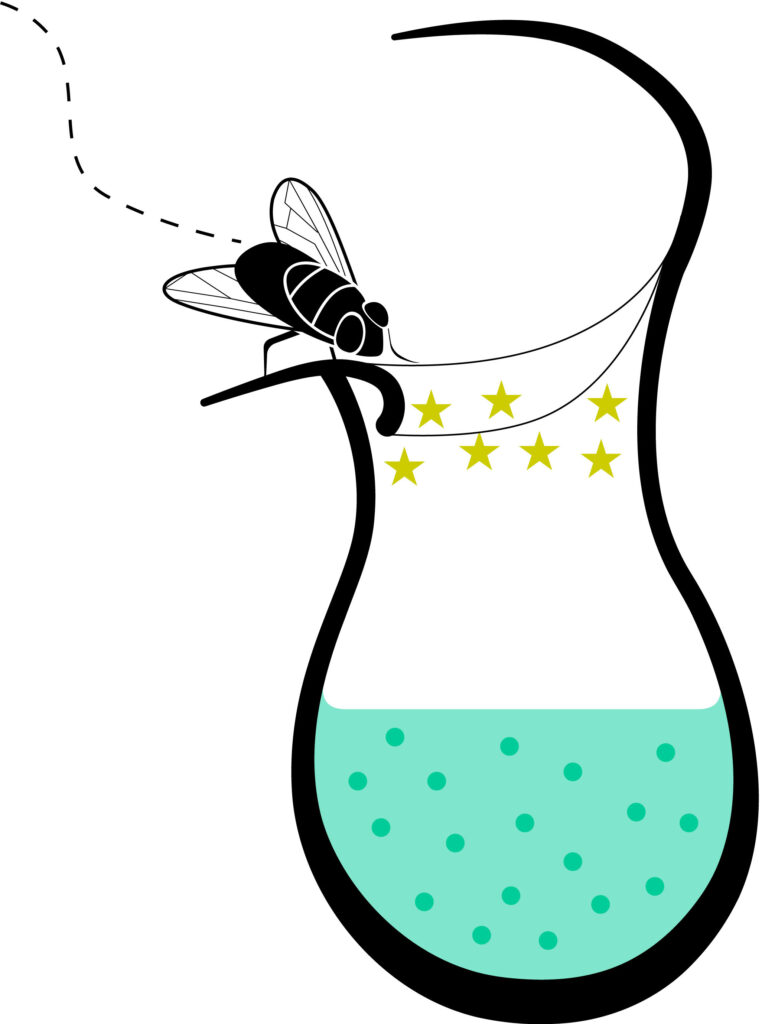
These traps lure prey to the rim of a pitcher-like structure, where insects lose their footing and fall inside. Once in the chamber, escape is extremely difficult. Genera using this method include Nepenthes (tropical pitcher plants), Sarracenia (trumpet pitchers), and Cephalotus (Albany pitcher plant). While they primarily catch insects, some of the largest Nepenthes species are capable of trapping small vertebrates — including the occasional rat.
2. The prey slips and falls into enzyme-filled liquid, where it’s digested and absorbed.
1. Prey is attracted to the edge of the trap, often by nectar secreted at the rim.
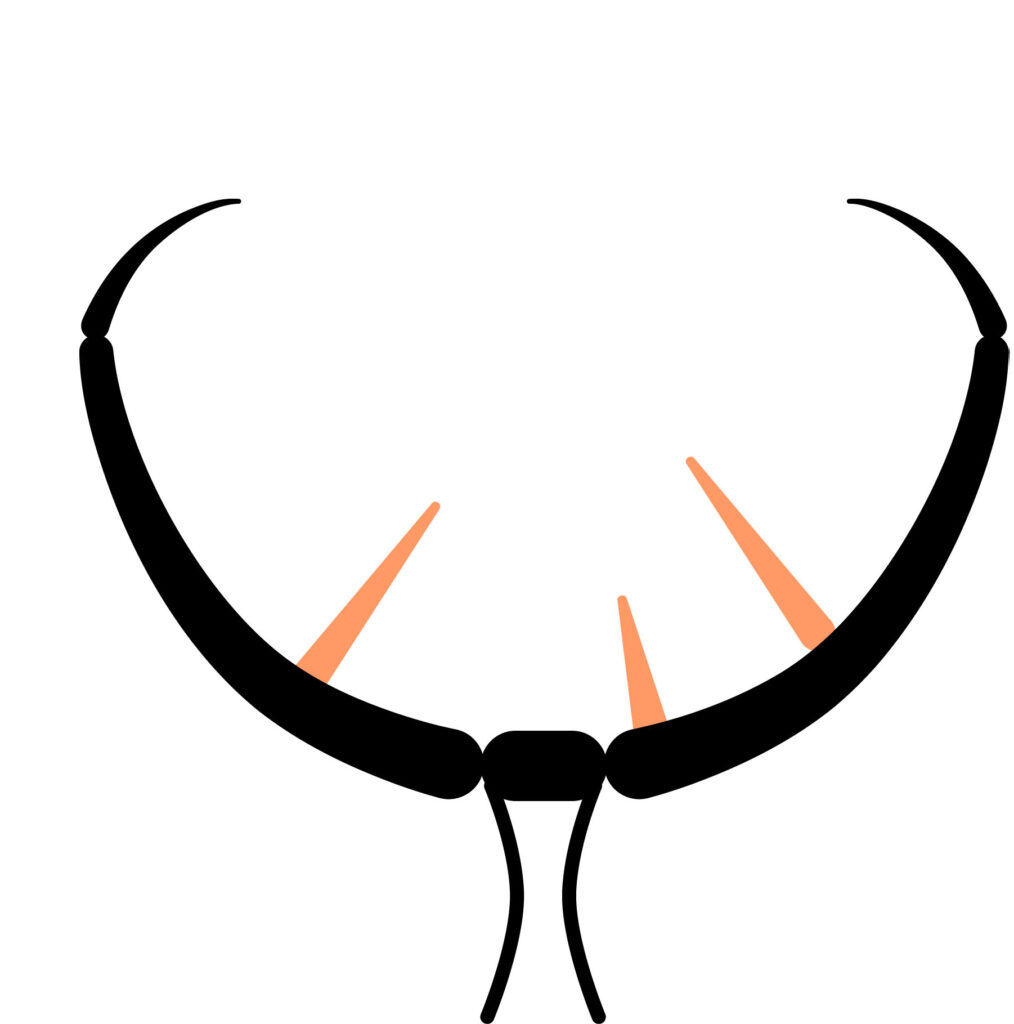
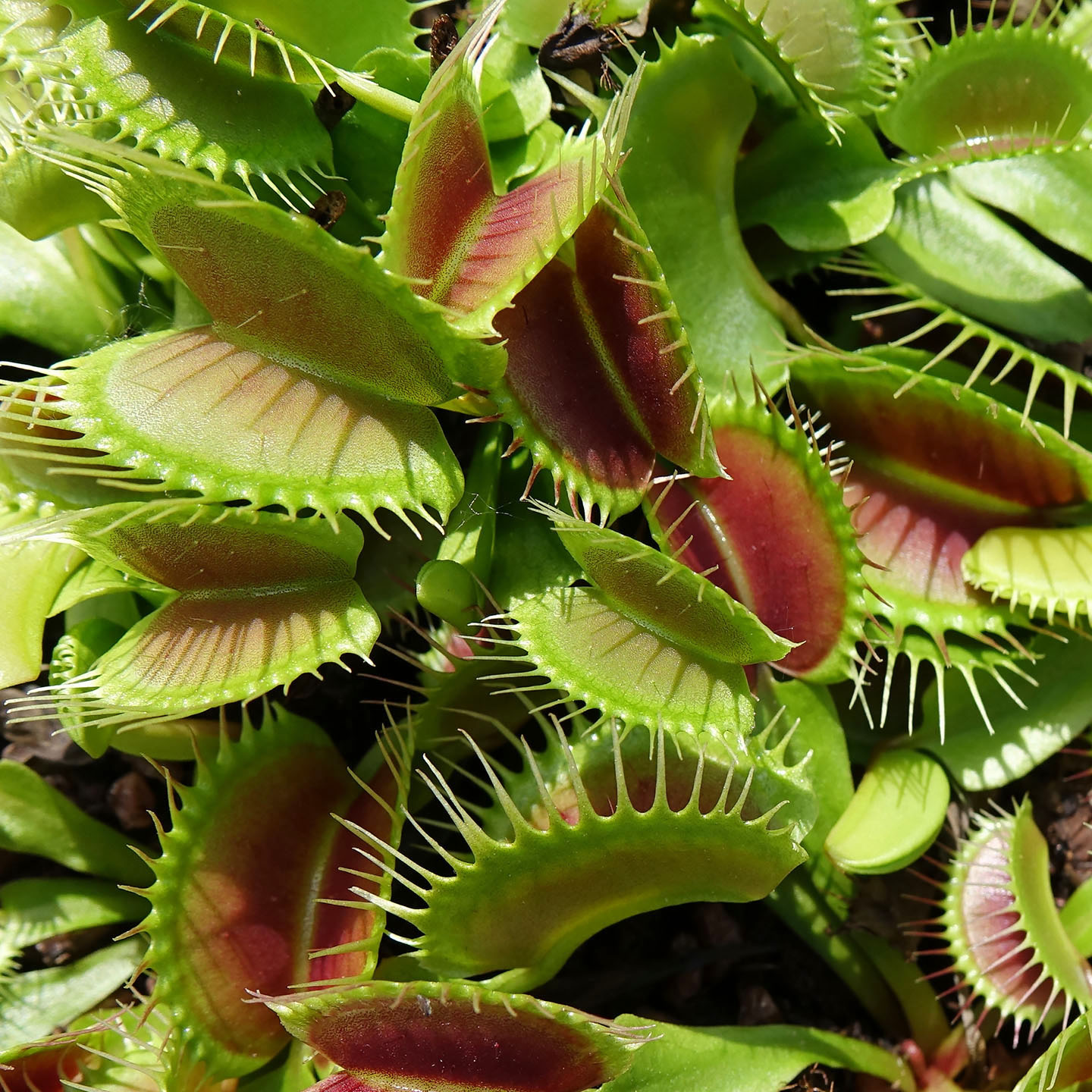
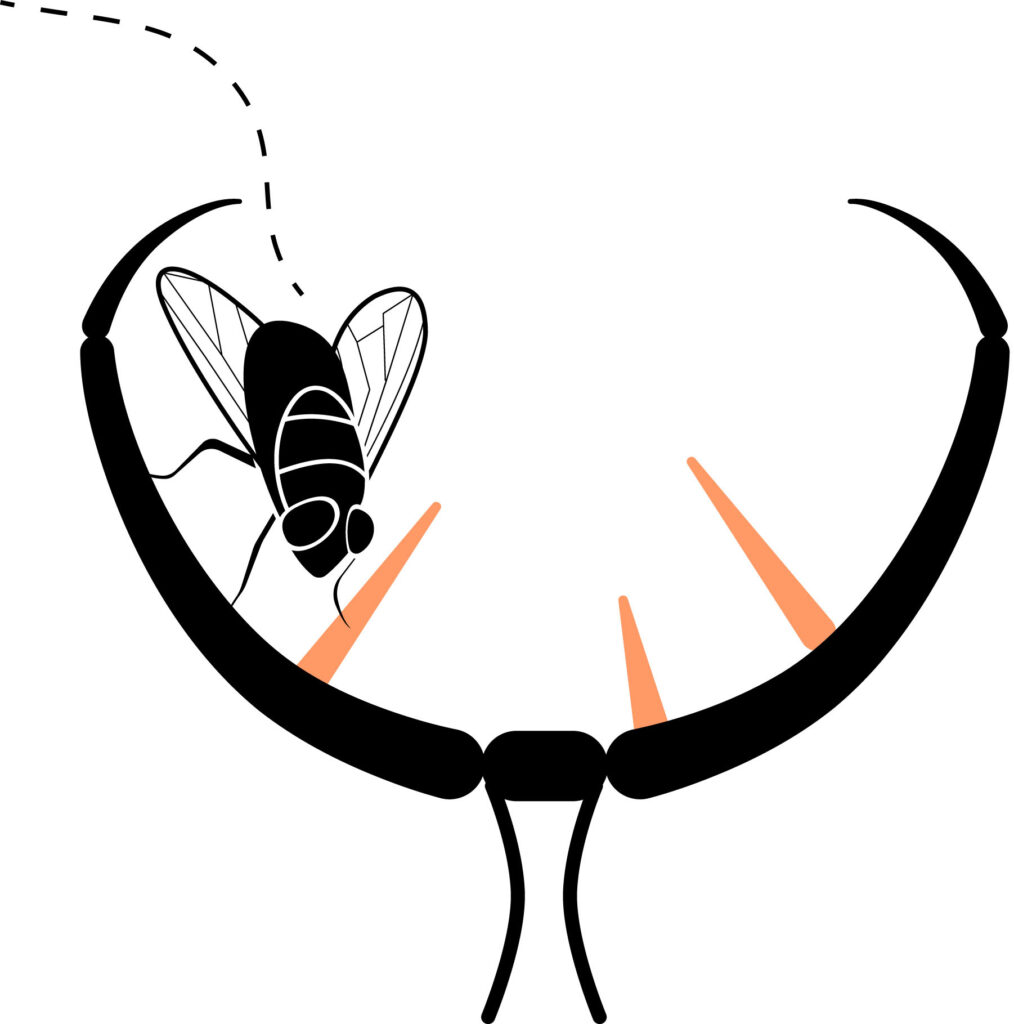
Best known from the iconic Venus flytrap (Dionaea muscipula), snap traps close rapidly when trigger hairs are touched, capturing prey in less than a second. Its lesser-known aquatic cousin, Aldrovanda (the waterwheel plant), uses a similar mechanism underwater — and is even faster.
[Aldrovanda photo credit: Shaun Winterton. Licensed under Creative Commons BY-NC 3.0 US]
1. Trigger hairs (shown in orange) snap the trap shut when touched by its prey.
2. Enzymes are released to digest the prey, which the plant then absorbs.
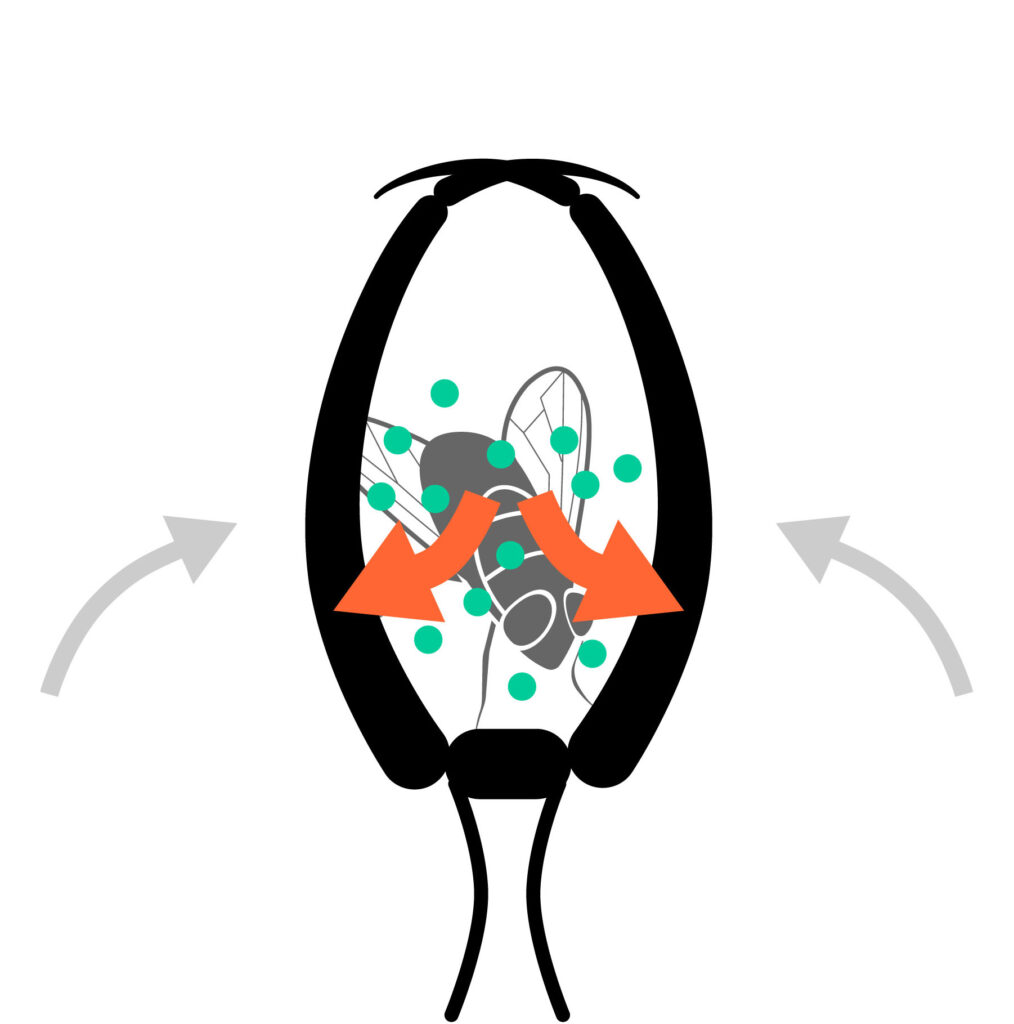
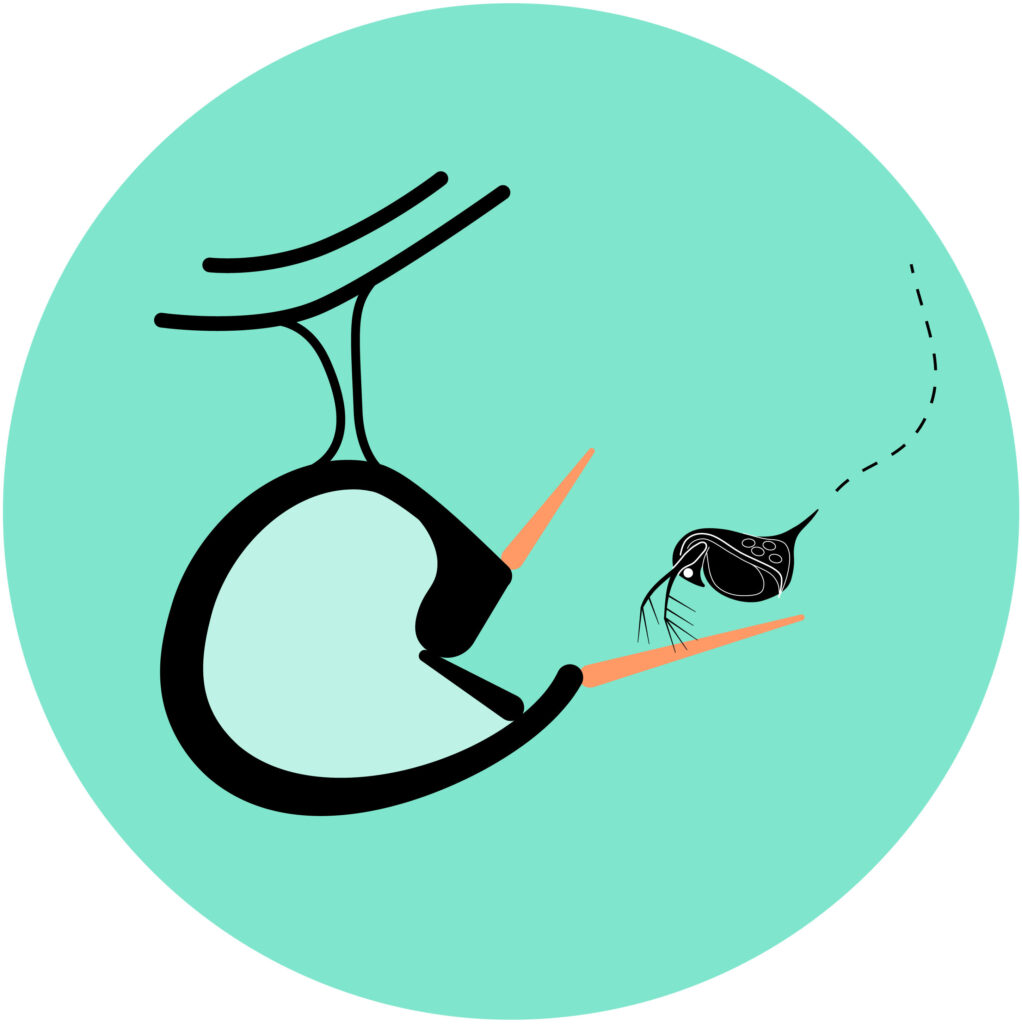
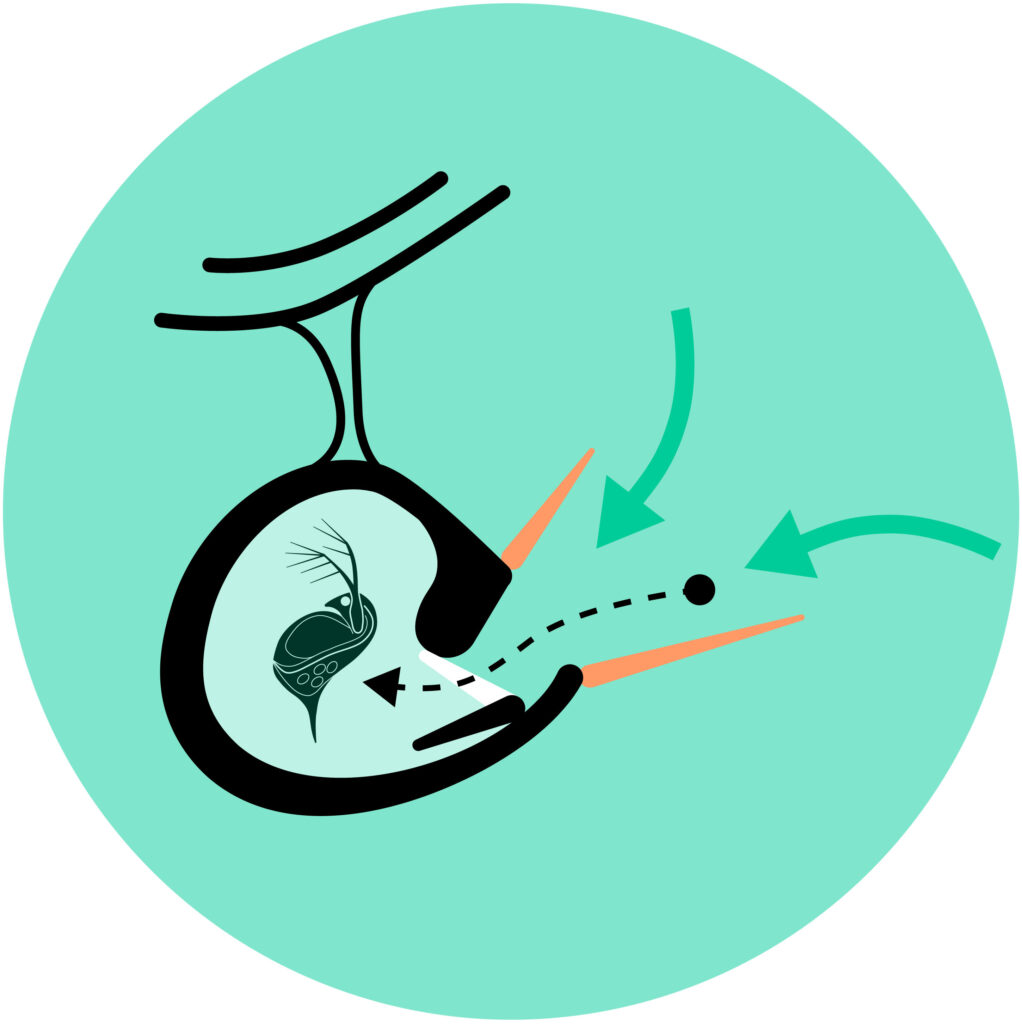
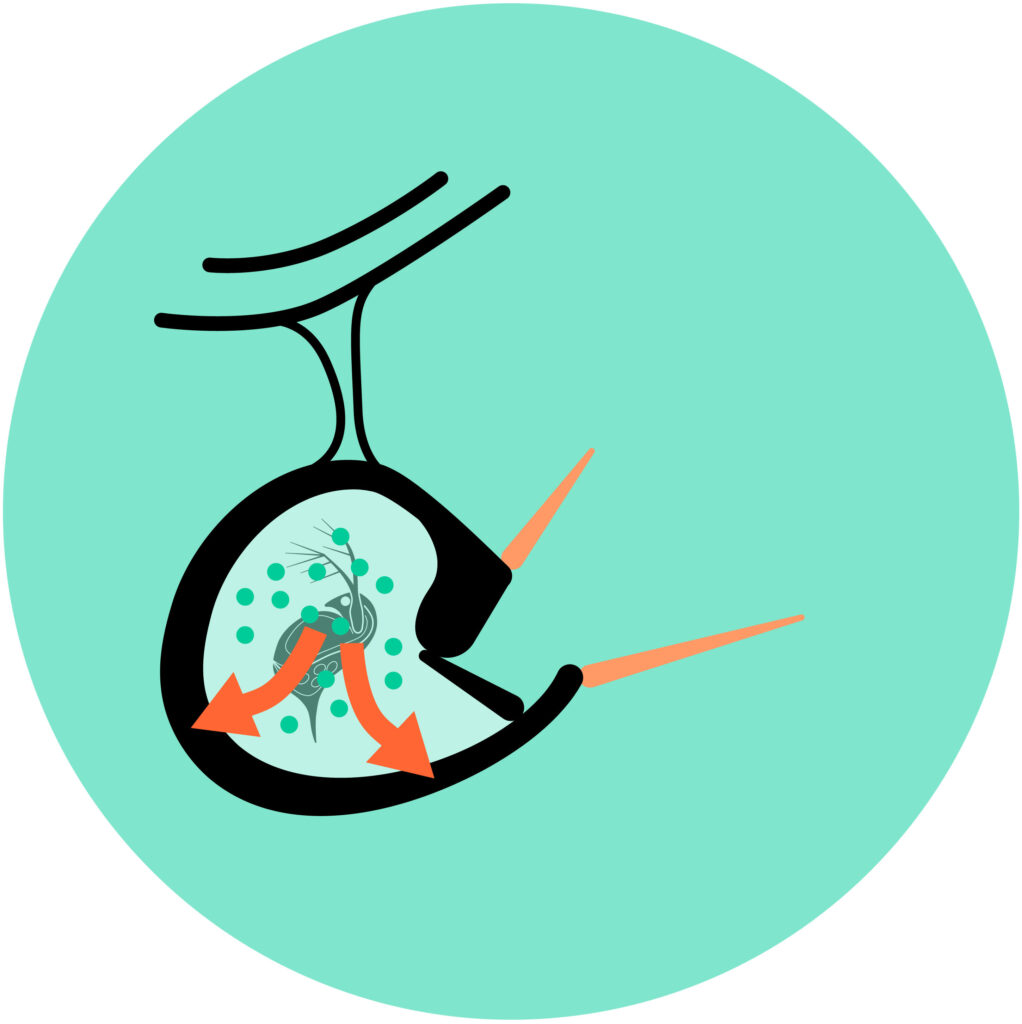
Small but mighty, the traps of Utricularia (bladderworts) are usually just 1–3 mm across, yet are among the most advanced in the plant kingdom. Many species are aquatic, using bladder-like structures that create a vacuum. When trigger hairs are touched, the trap snaps open and pulls in prey in as little as 0.5–2 milliseconds — far quicker than the strike of an anglerfish, and faster than almost any animal predator on Earth.
3. Enzymes are released to digest the prey, which the plant then absorbs.
2. The trap’s door opens for a split second, sucking the prey inside.
1. A trigger hair is touched by its aquatic prey, activating the trap.
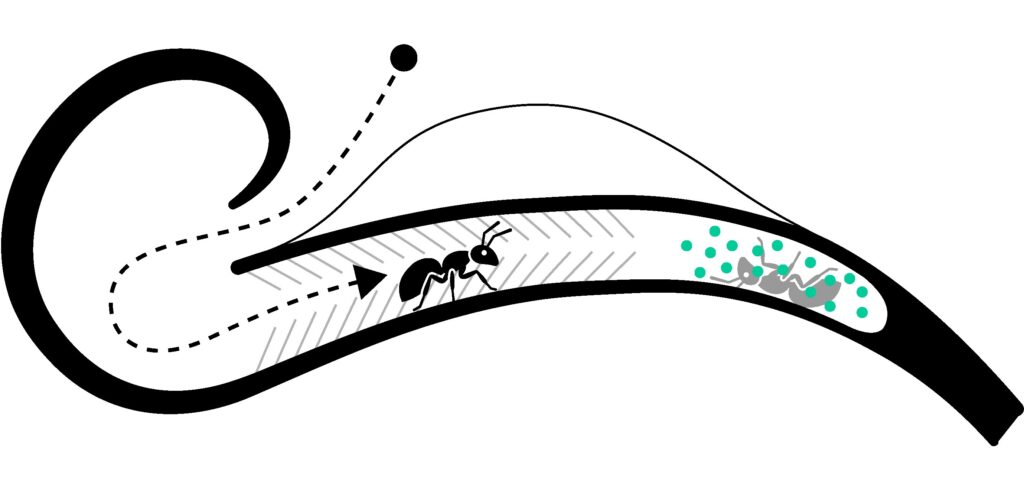
Less familiar but just as ingenious, lobster-pot traps use one-way passages to guide prey inward. Genlisea (corkscrew plant) produce tiny underground or submerged traps formed from modified leaves, with spiraling arms that lead microscopic prey toward a digestive chamber. Inward-pointing hairs inside the trap help prevent escape. A similar one-way principle appears in Sarracenia psittacina (parrot pitcher plant), whose horizontal pitchers guide prey deeper inside while making escape extremely difficult.
[Genlisea photo credit: Noah Elhardt. Licensed under Creative Commons BY-SA 3.0]
1. Inward-pointing hairs prevent prey from escaping, guiding it forward.
2. Enzymes are released to digest the prey, which the plant then absorbs.
The simplest and most widespread trap type. Genera using this method include Drosera (sundews), Pinguicula (butterworts), Drosophyllum (dewy pine), and Byblis (rainbow plants). These traps rely on sticky glandular surfaces to capture insects, with some species being able to move slowly to further secure their prey.
1. Sticky leaves trap insects on contact, in a similar way to a spider’s web.
2. Enzymes secreted by the leaf digest its prey, which the plant then absorbs.
These traps lure prey to the rim of a pitcher-like structure, where insects lose their footing and fall inside. Once in the chamber, escape is extremely difficult. Genera using this method include Nepenthes (tropical pitcher plants), Sarracenia (trumpet pitchers), and Cephalotus (Albany pitcher plant). While they primarily catch insects, some of the largest Nepenthes species are capable of trapping small vertebrates — including the occasional rat.
1. Prey is attracted to the edge of the trap, often by nectar secreted at the rim.
2. The prey slips and falls into enzyme-filled liquid, where it’s digested and absorbed.
Best known from the iconic Venus flytrap (Dionaea muscipula), snap traps close rapidly when trigger hairs are touched, capturing prey in less than a second. Its lesser-known aquatic cousin, Aldrovanda (the waterwheel plant), uses a similar mechanism underwater — and is even faster.
1. Trigger hairs (shown in orange) snap the trap shut when touched by its prey.
2. Enzymes are released to digest the prey, which the plant then absorbs.
[Aldrovanda photo credit: Shaun Winterton. Licensed under Creative Commons BY-NC 3.0 US]
Small but mighty, the traps of Utricularia (bladderworts) are usually just 1–3 mm across, yet are among the most advanced in the plant kingdom. Many species are aquatic, using bladder-like structures that create a vacuum. When trigger hairs are touched, the trap snaps open and pulls in prey in as little as 0.5–2 milliseconds — far quicker than the strike of an anglerfish, and faster than almost any animal predator on Earth.
1. A trigger hair is touched by its aquatic prey, activating the trap..
2. The trap’s door opens for a split second, sucking the prey inside.
Less familiar but just as ingenious, lobster-pot traps use one-way passages to guide prey inward. Genlisea (corkscrew plant) produce tiny underground or submerged traps formed from modified leaves, with spiraling arms that lead microscopic prey toward a digestive chamber. Inward-pointing hairs inside the trap help prevent escape. A similar one-way principle appears in Sarracenia psittacina (parrot pitcher plant), whose horizontal pitchers guide prey deeper inside while making escape extremely difficult.
1. Inward-pointing hairs prevent prey from escaping, guiding it forward.
2. Enzymes are released to digest the prey, which the plant then absorbs.
[Genlisea photo credit: Noah Elhardt. Licensed under Creative Commons BY-SA 3.0]
Seeing carnivorous plants in the wild can be one of the most rewarding ways to understand them. A plant that may seem strange or isolated in cultivation becomes clearer when you see the habitat around it: the wet ground, the open light, the poor soil, the surrounding vegetation, and the pressures that shaped its form.
That is why the Plant Map and Explorer Guides are part of the Carnivorous Plant Hunter. They are there to help you connect plants to real places, and to understand them as living expressions of habitat, ecology, and evolution.
But that kind of curiosity also comes with responsibility. Many carnivorous plants grow in fragile habitats, and some occur only in small, vulnerable populations. If you visit them in the wild, take photographs, not plants. Stay on established paths where possible, avoid trampling wetland habitats, and do not share precise locations for sensitive species.
The goal is not just to find these plants. It is to find them where they belong, understand the landscapes that shaped them, and leave those places intact for the plants, the habitats, and the people who come after you.
And if seeing carnivorous plants in the wild makes you want to grow them yourself, start with responsible sources. The free Ultimate Carnivorous Plant Nursery Guide includes a curated global list of trusted specialist nurseries, helping you choose healthy, ethically propagated plants without adding pressure to wild populations.
By now, the traps are no longer just strange shapes. A sticky sundew leaf, a pitcher filled with digestive fluid, a flytrap snapping shut, or a bladderwort firing underwater all begin to point back to the same underlying story.
Carnivorous plants are shaped by difficult places. They grow where nutrients are scarce, where ordinary plant strategies often fail, and where evolution has found another route. Their traps are not tricks or novelties. They are responses to habitat, pressure, and opportunity.
That is why these plants are such a useful starting point for understanding the natural world. Their adaptations are bold enough to catch our attention, but what they reveal goes far beyond carnivory itself: how form follows function, how unrelated species can arrive at similar solutions, and how life responds to constraint in ways that are often stranger and more elegant than we expect.
In that sense, carnivorous plants become a lens. Once you begin to understand why they live where they do, how they evolved, and how their traps work, it becomes easier to see similar patterns elsewhere — in the shape of a leaf, the sticky buds of spring, the way plants and animals interact, signal, and respond to one another, or the way a species fits into its landscape.
That is the deeper purpose of the Carnivorous Plant Hunter. The plants are the beginning, not the end. They are a way into habitat, ecology, evolution, and a clearer way of seeing the living world.
Continue reading: Plants That Change How You See
Free Guide: The Ultimate Carnivorous Plant Nursery Guide
A curated list of the best specialist nurseries worldwide, care tips, plus a special bonus.
If this introduction has made you want to grow carnivorous plants yourself, start with the free Ultimate Carnivorous Plant Nursery Guide. It will help you choose suitable species, avoid common beginner mistakes, and find trusted specialist nurseries near you.
You’ll receive it instantly when you join the Explorer’s Notebook — your direct line to new field discoveries, plant-care insights, and behind-the-scenes stories from expeditions, research, and the wild.
Explorer’s Notebook emails are occasional and meaningful. Unsubscribe anytime.

At Thursley Common, dragonfly nymphs share their submerged food web with Utricularia minor, a hidden bladderwort whose vacuum-powered traps fire faster than the feeding strike of any known freshwater hunter.

Discover Drosera binata var. multifida in Noosa, Australia — a giant fork-leaved sundew that reveals evolution, climate, and habitat in action.

The Green Swamp Preserve. One of the last strongholds of the Venus flytrap — and a mecca for carnivorous plant hunters.
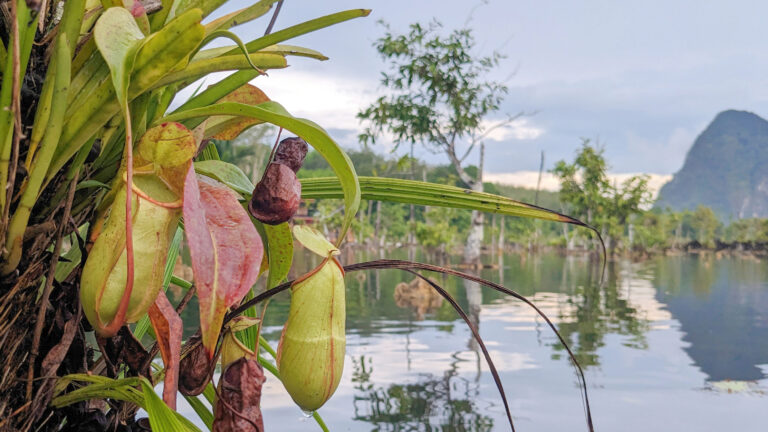
I found my first wild Nepenthes in the last place I expected — growing epiphytically in the middle of a lake.
Why carnivorous plants are more than curiosities — and how their traps reveal habitat, evolution, adaptation, and the natural world more clearly.
A free guide to buying carnivorous plants safely. Learn where to buy Venus flytraps and pitcher plants, avoid wild-collected plants, and grow them successfully.
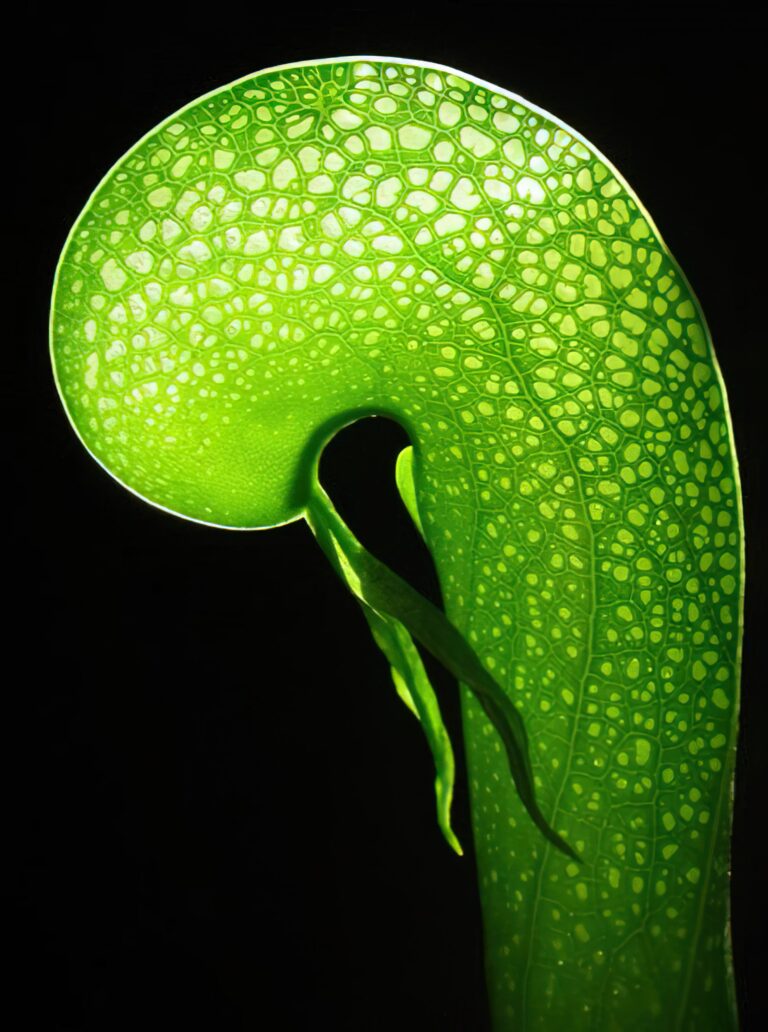
What carnivorous pitcher plants can teach us about creativity, constraint, biomimicry, and designing with nature’s principles rather than against them.
James Haig Streeter: Explorer, photographer, and lifelong student of carnivorous plants.
James is an award-winning landscape architect turned documenter of wild carnivorous plant habitats. He has spent decades tracking these remarkable species across the globe, guided by research, patience, and the joy of discovering plants in the places nature intended.
“In many ways, these plants taught me how to see: how environmental pressures shape form, and how beauty and purpose can be inseparable.”
A member of the IUCN Carnivorous Plant Specialist Group, James founded the Carnivorous Plant Hunter to help people experience carnivorous plants in the wild, understand the stories behind them, and connect more deeply with the natural world.
What began as a personal project to map wild plant sightings has grown into a platform where exploration, science, and the wild world of carnivorous plants collide.